
Dubai South Free Zone (DWC): The Honest 2026 Guide — Costs, Visas, Banking and Who It’s Really For
If your business moves cargo, processes orders, or needs a direct link between an international airport and a major seaport, Dubai South Free Zone (formerly Dubai World Central) is the zone most business-setup guides skip over. It covers 145 square kilometres built around Al Maktoum International Airport — and it gives logistics, e-commerce, and aviation companies an infrastructure advantage that no other UAE free zone can quite replicate. Licenses start from around AED 8,500 per year for service and consultancy activities, rising steeply if you add warehousing or general trading. Here is the full, unfiltered picture.
Key Takeaway
Dubai South Free Zone suits businesses that depend on physical cargo flow — logistics operators, freight forwarders, e-commerce fulfilment companies, and aviation-services firms. Service businesses and consultancies can set up from AED 8,500 on a flexi-desk and get a DWC-LLC in as little as one working day. General trading and logistics with warehouse space starts from AED 45,000+ and can well exceed AED 85,000 annually once you account for office, visas, and regulatory costs.
What Is Dubai South Free Zone?
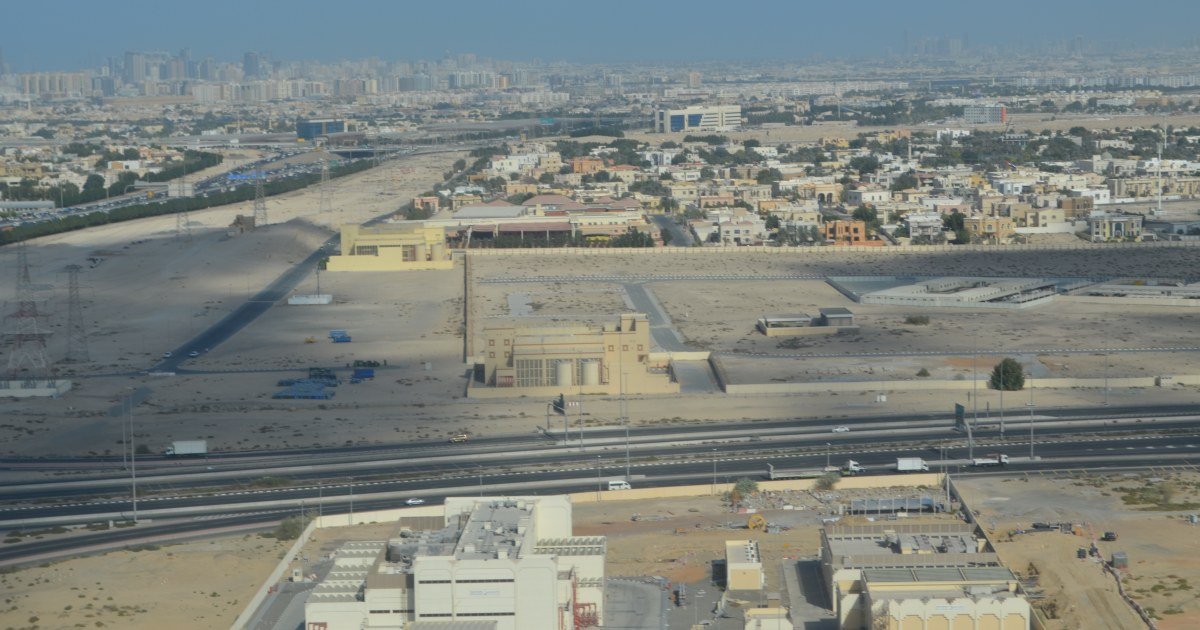
Dubai South is a purpose-built economic zone regulated by Dubai Aviation City Corporation. It surrounds Al Maktoum International Airport (DWC/OMDW) in the Jebel Ali district of Dubai, roughly 37 km south-west of Dubai International Airport. At full build-out it will be home to roughly one million residents and a large commercial ecosystem, but in 2026 the active zones that matter to business owners are the Business Park, the Logistics District, and the Aviation District.
The zone’s headline claim — that cargo can move between Al Maktoum International Airport and Jebel Ali Port in under 20 minutes — is accurate. That corridor is genuinely differentiated. No other UAE free zone combines airside and seaport access at this scale, which is why globally recognised logistics operators including DHL, Aramex, and Kuehne+Nagel have large presences here.
Dubai South Free Zone License Types and 2026 Costs
License fees at Dubai South break down by activity category. The ranges below reflect standard 2026 package pricing; warehouse or hangar requirements push costs higher.
| License Type | Annual Fee (AED) |
|---|---|
| Service / Consultancy | 8,500 – 15,000 |
| E-commerce | 10,000 – 18,000 |
| Commercial Trading | 15,000 – 25,000 |
| Education | 15,000 – 30,000+ |
| General Trading | 45,000 – 95,000+ |
| Industrial | 20,000 – 50,000+ |
| Aviation | 30,000 – 70,000+ |
| Logistics | 45,000 – 85,000+ |
You can register up to five business activities on a single license at no additional activity fee — useful if you combine consulting and trading under one entity without taking a general trading license.
Registration and Government Fees
On top of the license fee, budget for the following one-time registration charges:
- Trade name reservation: AED 600–1,000
- Company registration / incorporation: AED 3,500–6,000
- E-channel registration (if applicable): AED 2,200+
- External approvals (regulated activities): AED 500–5,000+
Standard applications are approved in one working day through the zone’s digital portal. Full setup — including Emirates ID, bank account, and office handover — realistically takes 7 to 15 working days.
Office and Workspace Costs
This is where Dubai South diverges sharply from zones like IFZA or Meydan. If you need a flexi-desk in the Business Park, the cost is competitive: around AED 5,000–12,000 per year. Upgrade to a shared smart office and you are looking at AED 12,000–20,000. A private physical office runs AED 25,000–50,000+. The moment you step into the Logistics District and need warehouse space, costs escalate quickly — warehouse floors start from 500 square metres at AED 40,000–85,000+ annually.
Dubai South packages require at least a smart desk or flexi-desk booking, which means you always have a physical workspace included in your setup.
Visa Costs and Quota
A flexi-desk or smart desk supports one to two investor visas. Larger offices and warehouses allow proportionally more. Visa costs in 2026:
- Investor visa (medical + Emirates ID included): AED 3,500–5,500
- Employee visa: AED 3,800–4,800
- Establishment card (required for all visa sponsorship): AED 1,500–3,000/year
- Visa cancellation, if needed: AED 270–590
For a full breakdown of how these figures compare across the UAE’s free zones, the UAE free zone visa cost 2026 guide on this site has a detailed comparison.
Banking Reality in 2026
Opening a corporate bank account for a Dubai South entity takes two to four weeks under normal circumstances. UAE banks apply strict compliance checks to all free zone applicants — Know Your Customer (KYC), source-of-funds documentation, and a clear business model are non-negotiable. Dubai South companies tend to have a straightforward compliance profile with banks because the zone is airport-linked, well-regulated, and associated with established global logistics operators. That said, general trading licenses with multi-country supply chains receive more scrutiny.
Banks that are active with Dubai South accounts include Emirates NBD, First Abu Dhabi Bank (FAB), Mashreq, and HSBC. Smaller digital banks and neo-banks like Wio and Zand are also worth reviewing for early-stage businesses with simpler KYC profiles.
If you plan to process foreign currencies at scale — common in logistics and e-commerce — confirm multi-currency account access before choosing your banking partner. Our corporate bank account checklist covers the standard document requirements UAE banks request from free zone entities.
Corporate Tax Position in 2026
Dubai South Free Zone companies can qualify for 0% corporate tax on qualifying income under the Qualifying Free Zone Person (QFZP) framework. To maintain that 0% rate you must meet the substance requirements set by the Federal Tax Authority — adequate staff, operational premises, and core income-generating activities conducted within the zone.
Non-qualifying income above AED 375,000 is taxed at 9% under UAE corporate tax law. All companies, regardless of whether they pay tax or not, must register with the FTA, maintain audited financial statements, and file annual returns. Small Business Relief remains available until 31 December 2026 for entities with annual revenue under AED 3 million — a practical grace period for startups still in early growth.
Accessing Mainland Dubai
A 2025 regulatory update (Executive Council Resolution No. 11 of 2025) allows Dubai South free zone entities to legally supply goods and services to mainland Dubai without setting up a separate mainland company. Options include a dual license issued by the Dubai Department of Economy and Tourism (DET), a mainland branch, or a temporary operating permit. This removes what was historically a meaningful operational constraint for free zone businesses targeting local Dubai customers.
The Eight Districts — Which One Do You Need?
Dubai South is not a single campus; it has eight specialised districts, each with its own infrastructure and cost profile. For most business owners in 2026, three are relevant:
- Business Park: The most accessible entry point. Flexi-desks, offices, and business services. Lowest license and office costs. Suitable for consultancies, e-commerce, trading, and financial services.
- Logistics District: Direct cargo link between the airport and Jebel Ali Port. Warehouses, cold storage, and cross-docking. Required for freight forwarders, 3PL operators, and distribution companies.
- Aviation District: Airside access, MRO facilities, hangar leases. The Dubai Airshow is hosted here. Relevant for aviation services, aerospace manufacturing, and aircraft maintenance companies.
Total Cost Scenarios — What You Will Actually Spend
To make the numbers concrete, here are three common setup profiles:
Scenario A — Solo consultant or remote team (flexi-desk, 0 visas): License AED 9,000 + registration AED 4,500 + flexi-desk AED 6,000. Year one all-in: approximately AED 19,500.
Scenario B — Small e-commerce operation (smart desk, 2 visas): License AED 14,000 + registration AED 5,000 + smart desk AED 16,000 + 2× investor visas AED 9,000 + establishment card AED 2,000. Year one: approximately AED 46,000.
Scenario C — Logistics company (500 sqm warehouse, 5 employee visas): Logistics license AED 55,000 + registration AED 6,000 + warehouse AED 50,000 + 5× employee visas AED 22,000 + establishment card AED 2,500. Year one: approximately AED 135,500.
For broader context on how UAE free zone formation costs are structured, the UAE free zone company formation cost guide walks through the standard cost layers across the market.
Renewal Costs and Penalties
Annual renewal costs mirror initial license fees. Renew at least 30 days before expiry — late renewal triggers penalties starting at AED 1,000, escalating to AED 3,000+ with daily fines. Continued non-renewal leads to visa suspension and potential license cancellation. Pay for two or three years upfront if the zone offers multi-year packages; it can save up to 20% and locks in current fee levels.
Who It’s Really For
Dubai South Free Zone is built for businesses that depend on physical goods movement — logistics operators, freight forwarders, e-commerce fulfilment companies, aviation maintenance firms, and trading companies that need direct cargo connectivity between an international airport and Jebel Ali Port. Service businesses, consultants, and digital companies can also set up here affordably in the Business Park at AED 8,500–15,000, but those businesses are choosing Dubai South for price or regulatory simplicity, not for the logistics infrastructure. If your business is entirely knowledge-based, zones like RAKEZ offer strong value with potentially lower all-in setup costs.
Verdict
Dubai South Free Zone is a serious logistics and aviation hub with genuinely competitive Business Park pricing for service and e-commerce businesses. The 20-minute airport-to-seaport corridor, dual license for mainland access, and 0% corporate tax on qualifying income make it a strong choice for companies moving physical goods. Budget carefully by district — the gap between a Business Park flexi-desk and a Logistics District warehouse is enormous, and the license table above only tells half the story. Know which district you need before you get a quote.
Frequently Asked Questions
How much does a Dubai South Free Zone license cost in 2026?
Service and consultancy licenses start from AED 8,500. E-commerce licenses run AED 10,000–18,000. Commercial trading licenses are AED 15,000–25,000. Logistics and aviation licenses with physical premises typically start from AED 45,000 and can exceed AED 85,000–95,000 annually. Total year-one costs including registration, office, and visas are significantly higher.
How long does it take to set up a company in Dubai South Free Zone?
Standard DWC-LLC applications can receive approval in one working day through the zone’s digital portal. Full setup including office, visas, and bank account typically completes in 7–15 working days, assuming no external regulatory approvals are required for your activity.
Can Dubai South Free Zone companies sell to mainland Dubai customers?
Yes. Under Executive Council Resolution No. 11 of 2025, Dubai South entities can obtain a dual license from the Dubai Department of Economy and Tourism (DET) to supply goods and services to mainland Dubai without setting up a separate entity. Temporary operating permits are also available.
How many visas can a Dubai South Free Zone company sponsor?
A flexi-desk or smart desk package supports one to two investor visas. Physical offices and warehouses allow a higher quota proportional to the leased area. Each investor visa costs AED 3,500–5,500 all-in.
What are the corporate tax rules for Dubai South Free Zone companies?
Dubai South companies can qualify for 0% corporate tax on qualifying income as a Qualifying Free Zone Person (QFZP), provided they meet Federal Tax Authority substance requirements. Non-qualifying income above AED 375,000 is taxed at 9%. All entities must register for corporate tax, file returns, and maintain audited accounts regardless of tax liability.
Is it difficult to open a bank account for a Dubai South company?
Bank account approval typically takes two to four weeks. UAE banks apply thorough KYC checks, including source-of-funds documentation and business model clarity. Dubai South entities have a generally favourable compliance profile with banks due to the zone’s regulated, airport-linked status. For a full breakdown of what banks require, see the corporate bank account requirements guide.
What happens if I do not renew my Dubai South license on time?
Late renewal penalties start at AED 1,000 and can escalate to AED 3,000+ with daily compounding fines. Sustained non-renewal leads to visa suspension, bank account freezes, and eventual license cancellation. Initiate renewal at least 30 days before the expiry date.
Founders in e-commerce should also compare Dubai CommerCity (DCC), the UAE’s dedicated e-commerce free zone — its logistics-first licence structure and lower entry costs make it a direct alternative to Dubai South for online retail and cross-border fulfilment.