
Hamriyah Free Zone: The Honest 2026 Guide — Costs, Visas, Banking and Who It’s Really For
Here’s the number that changes the conversation for anyone assuming Dubai is the only option: Hamriyah Free Zone has passed 6,500 registered companies, most of them running quietly out of industrial warehouses and factory units with direct access to a working seaport. Licences start at AED 8,500 per year, there’s no minimum share capital requirement, and the free zone has been operating since 1995 — long enough to have dealt with every edge case in UAE company formation. This guide gives you the real cost breakdown, visa rules, banking picture, and a straight answer on which business types get the most value here. — see our Saudi industrial businesses in Hamriyah guide
Hamriyah Free Zone (HFZA) is a purpose-built industrial and trading zone in Sharjah, adjacent to Hamriyah Port. It offers trading licences from AED 8,500/year, warehouse space from AED 25,000/year, no minimum share capital, and direct port access for import/export operations. It is one of the UAE’s most established industrial free zones with over 30 years of continuous operation.
What Hamriyah Free Zone actually offers
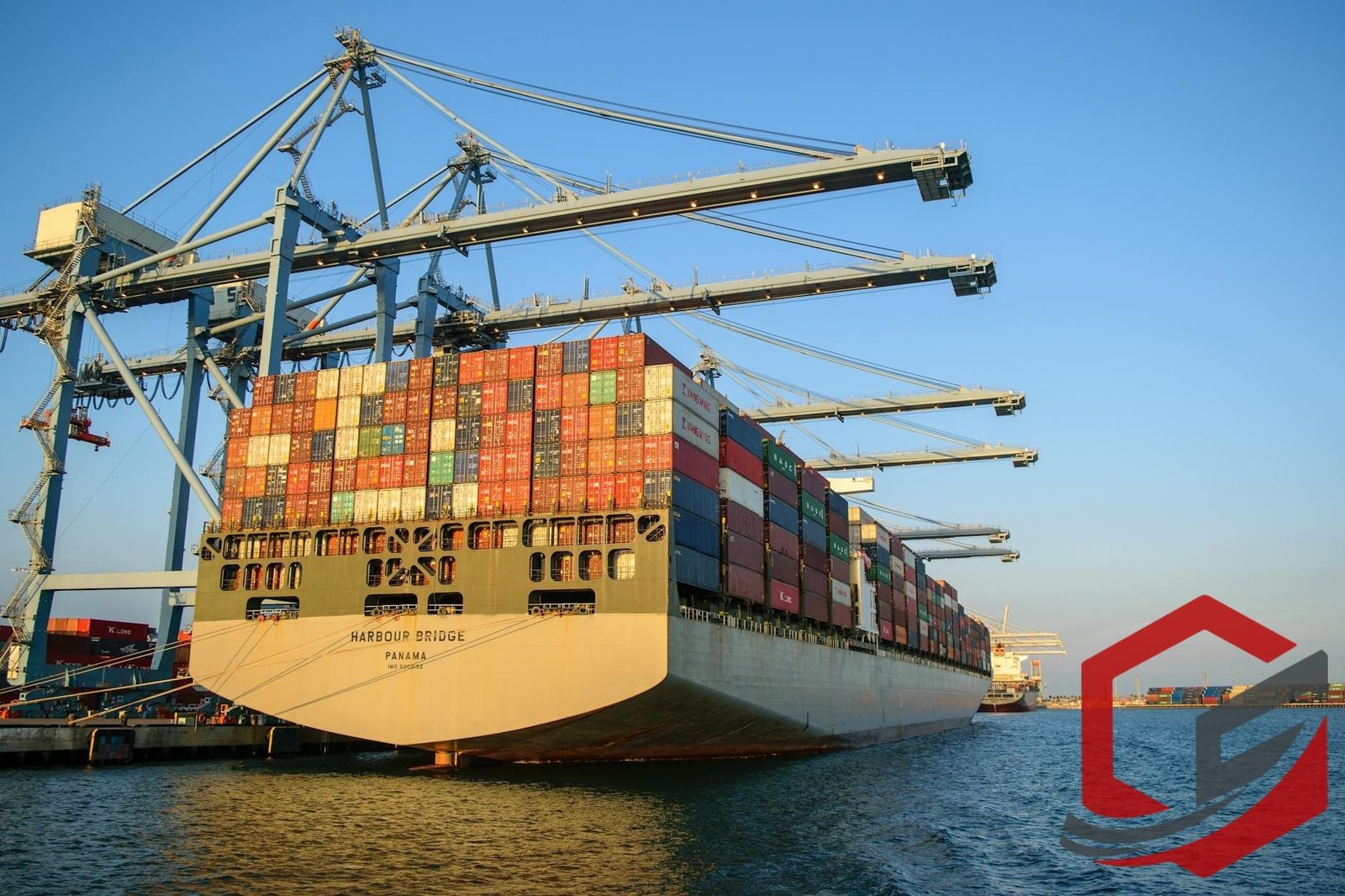
HFZA opened in 1995 in Hamriyah, Sharjah — roughly 30 kilometres north of Dubai — as one of the UAE’s first purpose-built industrial free zones. The free zone spans over 26 million square metres and sits directly adjacent to Hamriyah Port, a working commercial seaport handling dry bulk, general cargo, ro-ro, and project cargo. — see our Pakistani trading companies in Hamriyah guide
That port adjacency is the zone’s defining feature. If your business involves moving physical goods, the value of being beside an operational quay rather than merely “near” a major port is significant. HFZA’s infrastructure includes industrial plots and factory units, warehouses from 100 sqm to large-scale bonded storage, dedicated hazardous materials and chemicals storage, open yards for bulk commodity handling, a business centre with flexi-desks and private executive offices, and on-site labour accommodation for industrial workforces.
HFZA is a UAE federal free zone authority: 100% foreign ownership, no personal income tax, zero import/export duties within the zone, and full repatriation of capital and profits. Free zone entities maintaining qualifying income status are exempt from the UAE’s 9% corporate tax on profits above AED 375,000.
The zone performs particularly well for manufacturing and light industry (plastics, metals, food processing, packaging), oil and gas services (equipment supply, maintenance, engineering), chemicals and petrochemicals (HFZA has specialist hazardous storage), general trading and re-export of commodity goods, logistics and freight where port proximity provides operational advantages, and construction materials where Hamriyah’s cost structure is competitive.
HFZA delivers the strongest value to businesses that need physical infrastructure: warehouse or factory space, port access for imports and exports, or specialist facilities for hazardous goods. Trading companies using the flexi-desk also find it cost-effective for commodity sourcing and re-export. The AED cost-per-square-metre for industrial space is among the most competitive figures in the UAE.
Licence types and exact AED costs for 2026
HFZA offers four primary licence categories. The figures below reflect current 2026 pricing — always confirm directly with the authority before finalising your budget.
Trading Licence — from AED 8,500/year
The standard entry point for buying and selling goods. A single-activity trading licence with a flexi-desk starts at AED 8,500. Multi-activity trading covering several product categories typically runs AED 10,000–12,000/year. HFZA allows up to five activities on a single trading licence, which keeps costs manageable for businesses with diversified product lines.
Industrial / Manufacturing Licence — from AED 12,000/year
Required for manufacturing, processing, or assembly within the zone. The licence fee is the smaller part of the total commitment — the primary cost is the physical production space. Total first-year costs (licence + smallest available factory unit + one visa) typically start around AED 65,000–80,000 depending on the unit selected.
Service Licence — from AED 9,500/year
Covers professional and business services — engineering consultancy, IT services, logistics management, HR services, and similar. With a flexi-desk, this is HFZA’s most accessible entry point for service businesses.
National Industrial Licence — from AED 7,000/year
A dedicated category for UAE nationals establishing industrial businesses, with a more favourable fee structure under UAE industrialisation policy.
Additional fees to budget for
One-time registration fee: AED 1,500–2,000. No minimum share capital requirement. Notarisation and attestation where applicable: AED 1,000–3,000. Annual infrastructure levy (road maintenance, security, utilities infrastructure): AED 800–1,500 — this appears on renewal invoices and isn’t always included in third-party cost comparisons.
Visa allocation — how many visas your setup allows
HFZA allocates visas based on the physical space you occupy, consistent with standard UAE free zone practice:
- Flexi-desk (shared workspace): 1–2 visas
- Executive office (private, ~18–30 sqm): 3–5 visas
- Warehouse unit (100–500 sqm): 6–10 visas
- Large warehouse / factory unit (500 sqm+): 10–20+ visas
A trading company on a flexi-desk gets a maximum of two visas — the investor and one employee. Moving to a private executive office unlocks three to five visa slots. Companies needing larger workforces are typically in warehouse or factory setups where the higher visa quota matches their operational scale.
Visa cost breakdown (2026 government fees per person)
Entry permit: AED 650–800. Status change in-country: AED 500–700. Medical fitness test: AED 320–450. Emirates ID: AED 370–420. Residency visa stamping: AED 450–600. HFZA processing fee: AED 800–1,000. Total per visa: AED 3,090–3,970 in government fees, plus AED 500–1,500 if using a PRO service. For a full comparison of visa costs across zones, see our UAE free zone visa cost guide.
Office and warehouse options — what’s available and what it costs
Flexi-Desk: AED 6,000–10,000/year. Shared workspace in the HFZA business centre. Includes a designated desk, meeting room access on booking, registered address, Wi-Fi, and reception services. Suitable for trading companies that manage supply chains without physical storage inside the zone.
Executive Office (private): AED 15,000–30,000/year. Private offices from 18 to 60 square metres. Budget note: electricity and cooling are metered separately at HFZA — plan for AED 1,500–4,000/year in utilities on top of the rental rate.
Warehouses: AED 25,000–200,000+/year. Small pre-built units (100–150 sqm) start at approximately AED 25,000–35,000/year. Mid-size units (250–500 sqm) run AED 50,000–90,000/year. Large industrial warehouses and open yards are priced on application. Warehouse leases are on minimum three-year terms.
Industrial Land Plots: from AED 35/sqm/year. Long-term land leases (typically 15–25 years) for companies building their own facilities. For a comparison of northern emirates industrial land pricing, see our RAKEZ guide.
Hazardous materials storage. HFZA operates dedicated bonded storage for chemicals, gases, and flammable materials — certified facilities that are uncommon in UAE free zones. For oil and gas service companies and chemical distributors, this removes the logistical step of sourcing compliant off-site storage.
Banking — which UAE banks open accounts for HFZA companies
Banking for HFZA companies follows the standard UAE free zone pattern: procedural rather than compliance-related friction. Banks with consistently good track records for HFZA company accounts include Emirates NBD (strong with trading and industrial clients in the northern emirates), Mashreq Bank (Business Connect account has lower minimum balance requirements; pragmatic on free zone onboarding), RAK Bank (SME-focused, accessible for northern emirates free zone companies), Commercial Bank of Dubai (reliable for trading companies with documented supply chains), and First Abu Dhabi Bank (solid relationship with larger manufacturing operations).
The practical approach: apply to two or three banks simultaneously. Plan for 4–8 weeks from submission to account activation. Standard documentation includes your trade licence, MoA, shareholder passports, proof of address, and a clear explanation of expected transaction volumes and counterparties. For the full document checklist, see our UAE bank account opening requirements guide.
Annual renewal: what to budget for in year two and beyond
HFZA renewal is annual and straightforward when payments are current. Your licence fee and lease renew simultaneously — administratively convenient, but both costs arrive together. Flexi-desk tenants have seen rate increases of 8–15% over 2024–2025; warehouse tenants on three-year leases are insulated from annual adjustments.
HFZA sends renewal notices 60 days before expiry. Allow 15–20 working days for processing after payment. A lapsed licence incurs a reinstatement fee of AED 1,500–3,000. Employee visa renewals (every 2–3 years) run AED 1,500–2,500 per person in government fees, separate from the company renewal cycle. For a full three-year cost model, our UAE free zone company formation cost guide covers renewal math across different zone types.
Corporate tax and HFZA qualifying status
HFZA entities can qualify as Qualifying Free Zone Persons (QFZPs) under UAE corporate tax law, applying a 0% rate on qualifying income. The conditions include maintaining adequate UAE substance (a real office or operations, not just a mailing address), deriving income from qualifying activities, and not electing into the standard 9% regime. For active HFZA businesses with physical space and employees, qualification is achievable. Verify your specific structure with a UAE-registered tax advisor before proceeding.
Hamriyah Free Zone is one of the UAE’s most competitive choices for businesses that need physical infrastructure at a working port. Licences from AED 8,500/year, warehouses from AED 25,000/year, no share capital requirement, and over 30 years of track record make it a strong foundation for manufacturing, trading, and logistics operations. Build the annual infrastructure levy and minimum three-year warehouse lease terms into your projections from the start. For a personalised cost breakdown, reach us on WhatsApp at +971 52 762 8456.
Frequently Asked Questions about Hamriyah Free Zone
Can I set up a trading company in Hamriyah without a warehouse?
Yes. HFZA’s flexi-desk option is designed for trading companies that manage supply chains without requiring physical storage inside the zone. A trading licence starts from AED 8,500/year with one to two visa slots. This works well for commodity traders who hold inventory with third-party logistics providers or at source. Many HFZA trading companies operate on a flexi-desk for years before scaling to warehouse space as transaction volumes grow.
What is the minimum investment to set up in Hamriyah Free Zone?
HFZA imposes no minimum share capital. A trading licence with a flexi-desk and one investor visa costs approximately AED 15,000–20,000 in year one (licence fee + registration + flexi-desk rental + visa government fees). Industrial or warehouse setups start around AED 60,000–80,000 for the entry-level warehouse tier. There is no local sponsor requirement and no mandatory annual audit for free zone companies below certain revenue thresholds.
Which UAE banks reliably open accounts for HFZA companies?
Emirates NBD, Mashreq Bank, and RAK Bank have the strongest track records with HFZA companies. Apply to two or three concurrently and expect 4–8 weeks for activation. Documentation requirements are standard: trade licence, MoA, shareholder passports, proof of address, and expected transaction volumes. See our full bank account checklist.
Does HFZA qualify for the UAE corporate tax exemption?
Yes, provided the company maintains adequate UAE substance, earns qualifying income from qualifying activities, and does not elect into the standard 9% regime. For genuinely operating HFZA businesses with physical space and employees, qualification is achievable. Confirm your specific structure with a UAE-registered tax advisor.
Can HFZA companies sell to UAE mainland customers?
Yes. Services can be sold to mainland clients directly. For physical goods, the standard customs import process applies when crossing from the free zone to the mainland. Companies with significant mainland sales volume sometimes establish a mainland entity alongside their HFZA company to streamline that channel. For more detail on structuring options, see our UAE company formation cost guide.