
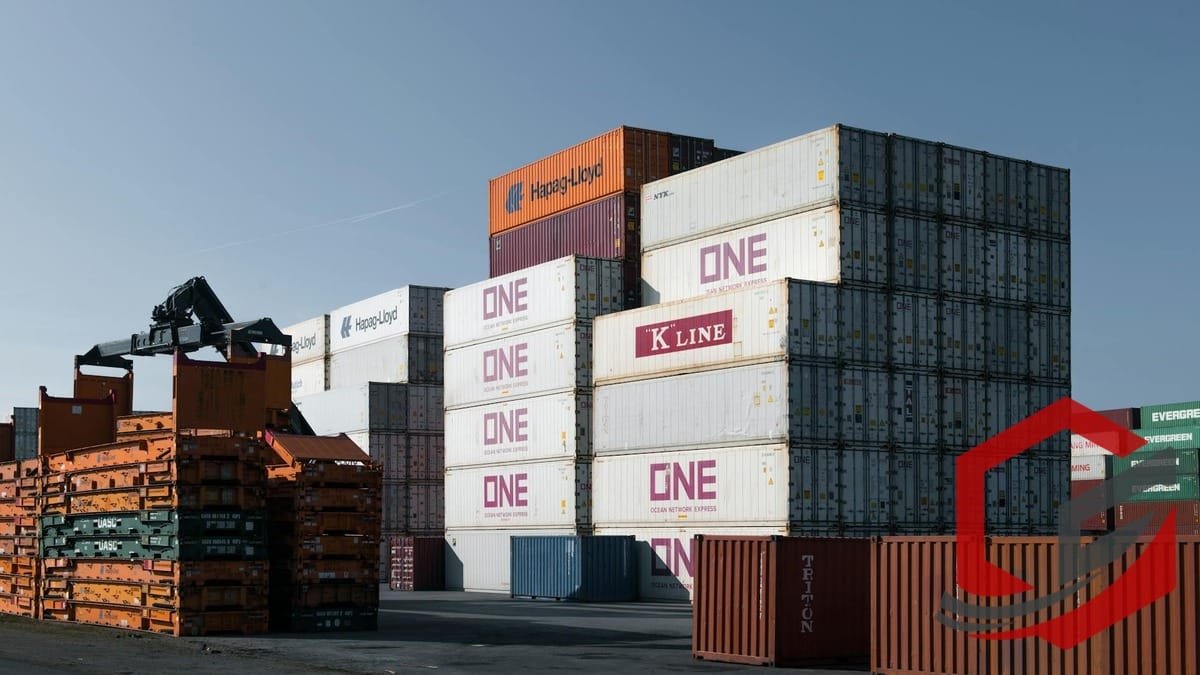
In May 2026 the Sharjah Airport International Free Zone Authority broke ground on its “U2” logistics district — 56 new warehouses spread across roughly 340,000 square metres. That’s not a press-release rounding error. It’s a free zone betting hard that physical goods, aviation parts and regional distribution still matter in an economy obsessed with software. And it tells you something important about SAIF Zone before you’ve paid a dirham: this is a place built for companies that move things, store things, and ship things — not just companies that exist on a server somewhere. — see our Gulf-based trading companies in UAE free zones guide
I’ve helped hundreds of founders pick a UAE free zone, and SAIF Zone comes up in a very specific kind of conversation. Someone’s importing auto parts from Germany. Someone’s running an aviation MRO supply business. Someone wants a cheap-ish Sharjah licence with a real warehouse attached, not a flexi-desk fiction. For those people, SAIF Zone is often the right answer — and for a digital consultant who’ll never touch a pallet, it’s frequently the wrong one. This guide walks through exactly what it costs, what you actually get, and where the marketing glosses over the awkward bits.
If you’re still comparing emirates and authorities, start with our overview of UAE free zones and then come back here for the SAIF Zone detail. The numbers below are current for 2026, in real AED, with the catches included.
What SAIF Zone actually offers — and who it’s really for
SAIF Zone sits right next to Sharjah International Airport, about 15 minutes from Dubai’s border and a short drive from Hamriyah’s deep-water port. That triangle — airport, port, Dubai — is the entire pitch. You get air-cargo access on your doorstep, sea freight close enough to matter, and Dubai’s market without Dubai’s rents. The zone has been operating since 1995, which means it’s old enough to have banking relationships, customs processes and a tenant base that newer zones are still building from scratch.
The authority itself is run under the same leadership as Hamriyah Free Zone — Saud Salim Al Mazrouei serves as Director of both the Hamriyah Free Zone Authority and the Sharjah Airport International Free Zone Authority. That shared management is genuinely useful if you’re weighing the two Sharjah industrial zones, because the processes, the visa logic and the renewal mechanics are broadly aligned. If you’ve read our Hamriyah breakdown, a lot of SAIF Zone will feel familiar.
Who’s it really for? Traders and light-industrial businesses, first and foremost. Import-export companies that need a bonded warehouse. Aviation and aerospace suppliers who want to be next to the runway. E-commerce operators holding stock for regional fulfilment. General trading companies that want to flip multiple product lines under one licence. If your business has inventory, SAIF Zone earns its keep. If you’re a solo marketing consultant or a SaaS founder who needs nothing but a licence and three visas, you’ll pay for warehouse-grade infrastructure you’ll never use — and a pure-digital zone like IFZA or SHAMS will usually be cheaper and simpler. — see our Indian-owned import-export businesses guide
Licence types and exact AED costs for each
SAIF Zone runs the standard UAE free-zone licence categories: commercial (trading), service, industrial, and general trading. Here’s where the real money lives.
The entry point is a trading or service licence at around AED 13,500, which typically bundles a small office or flexi-desk allocation and eligibility for up to 3 residence visas. Some promotional packages dip as low as AED 10,800 for a stripped-back 3-visa setup — watch the fine print, because the headline number rarely includes the visa issuance costs themselves. The general trading licence — the one that lets you trade multiple unrelated product lines, plus aviation and e-commerce activities — sits around AED 21,000, again with a small office and 3-visa eligibility built in.
Industrial licences, which let you manufacture or assemble, cost more once you factor in the warehouse or land you’ll need to actually produce anything. That’s not a licence-fee problem so much as a facilities-cost reality, and I’ll come to warehouse rents below.
Realistically, budget AED 18,000 to AED 45,000 for your all-in first-year cost, covering the licence, your workspace, registration and the visas you actually issue. The spread is wide because it depends entirely on whether you’re taking a flexi-desk or a 300-square-metre warehouse, and how many people you’re putting on visas. Anyone quoting you a flat “AED 12,000 and you’re done” is quoting the licence in isolation and leaving out half the bill.
One genuinely useful SAIF Zone feature: licences are issued fast. The authority advertises issuance within an hour of a complete application, and in practice the licence does come through the same day once your documents and name approval are in order. That speed is real — the slow part is always the visa and Emirates ID stamping that follows, which no free zone fully controls.
For a side-by-side on how these figures compare with Dubai and other emirates, our guide to choosing a UAE free zone is the place to sanity-check whether SAIF Zone’s pricing fits your model before you commit.
Visa allocation and residency rules
Visa quota at SAIF Zone is tied to your workspace, not just your licence — and this is the single most misunderstood thing about the zone. The licence packages get you eligibility for 3 visas because they include a flexi-desk or small office. Want more visas? You take a bigger physical space.
The office tiers map directly to quota. A dedicated executive desk on a non-sharing basis comes with a 3-visa allocation. An unfurnished, customisable office covering utilities lifts you to 5 visas. A fully furnished executive suite with IT and telecoms infrastructure takes you to 8 visas. Beyond that, warehouse and land tenants negotiate quota based on space and business activity. So if you know you’ll need to sponsor ten staff, you’re not buying a licence — you’re committing to a warehouse or a large office from day one, and that should shape your budget.
Each visa is a standard UAE residence visa, currently issued on a 2-year cycle for free-zone employees, renewable as long as the company stays in good standing. The process runs through establishment card, entry permit, status change or medical, Emirates ID and visa stamping. Expect the full sequence to take a couple of weeks per person once the licence is live. SAIF Zone companies can sponsor family members too — spouse, children, and in many cases parents — provided the sponsor’s salary and tenancy meet the immigration thresholds.
If you or a senior shareholder are eyeing long-term residency, a SAIF Zone company can be a stepping stone toward the 10-year UAE Golden Visa through the investor or skilled-professional routes — though the Golden Visa is assessed on its own criteria, not granted automatically just because you hold a free-zone licence. We cover who actually qualifies in that dedicated guide.
Office options — what’s included, what costs extra
This is where SAIF Zone separates itself from the flexi-desk-only crowd. You’re choosing along a real spectrum, from a shared desk to a 600-square-metre warehouse, and each rung has its own quirks.
At the bottom sits the flexi-desk, which is the mandatory minimum for any company that wants resident visas — you can’t have visa-holders with no registered physical space. It’s bundled into the entry licence packages, so most founders never see it as a separate line. Step up and you get the executive desk (3 visas), the unfurnished office (5 visas), and the furnished executive suite (8 visas), each with IT and telecoms provisioning included.
The headline draw, though, is the warehousing. SAIF Zone warehouses run from 125 square metres up to 600 square metres, with rents starting around AED 60,000 per annum for the smallest units. Crucially, these aren’t bare sheds — each warehouse comes with a fitted office, air conditioning, a pantry and a toilet, so you’re not separately building out admin space. With the new U2 district adding 56 warehouses across roughly 340,000 square metres, availability in 2026 is better than it’s been in years, which gives you a little negotiating room on rent that simply didn’t exist when the zone was running near capacity.
What costs extra and catches people out: utility deposits and connection charges on larger spaces, the establishment card fee, document attestation, and any fit-out beyond the standard provisioning. None of these are huge individually, but together they’re the gap between the AED 18,000 quote and the AED 45,000 reality.
Banking — which banks actually open accounts for SAIF Zone companies
Let’s be honest about the part every free zone undersells. Getting a UAE corporate bank account is the slowest, most temperamental step of the whole setup, and SAIF Zone companies are no exception. The good news: because SAIF Zone has been around since 1995 and has a large, legitimate trading tenant base, the major banks recognise it and have processed thousands of its companies. You’re not walking in as an unknown entity.
In practice, the banks most willing to onboard SAIF Zone trading and industrial companies are the established local players — the likes of Mashreq, RAKBANK, Emirates NBD, ADCB and WIO for the more digital-first crowd. Trading companies with clear supplier-and-buyer documentation and a tangible warehouse footprint tend to clear compliance faster than a holding company with vague “consultancy” activities and no physical presence. Ironically, the warehouse you’re paying for becomes a banking asset: it’s proof of substance, and substance is exactly what compliance teams want to see.
Expect three to six weeks for account opening, sometimes longer for shareholders from higher-scrutiny nationalities, and be ready for a maintained minimum balance that can run from AED 25,000 to AED 150,000 depending on the bank and account type. Don’t pick your bank on the minimum balance alone — pick it on whether it actually serves your trade corridors and currencies. We walk through the full document checklist and bank-by-bank reality in our guide to opening a UAE business bank account, which is worth reading before you so much as book an appointment.
Renewal process and what actually changes year 2+
Year one is the expensive, paperwork-heavy year. From year two onward, SAIF Zone settles into a fairly predictable rhythm — and understanding that rhythm is how you avoid nasty surprises in your second-year cash flow.
At renewal you’re paying the licence fee again, plus your workspace rent (which is the bulk of the cost if you hold a warehouse), plus the establishment card renewal. The licence portion is broadly stable year on year; the variable is your facility. Warehouse rents can be reviewed at renewal, so the AED 60,000 you signed at is not contractually frozen forever — though with U2 adding capacity, 2026 is a tenant-friendly moment rather than a landlord-friendly one.
Visas renew on their own 2-year cycle, decoupled from the annual licence renewal, which trips people up. You’ll have a licence-renewal date and a separate, staggered set of visa-renewal dates per employee, each with its own medical and Emirates ID steps. Build a simple calendar for this; missing a visa renewal is far more disruptive than missing a licence date, because it affects a real person’s residency.
The genuinely good news for year two: there’s no surprise corporate-structure overhaul, no forced upgrade, and no hidden “loyalty” penalty. What you set up is broadly what you renew. The UAE’s federal corporate tax — 9% on profits above AED 375,000 — does apply to free-zone companies, but qualifying free-zone income can still benefit from a 0% rate if you meet the qualifying-activity and substance conditions, which is its own topic worth proper advice. If your structure spans mainland clients too, our UAE mainland company formation guide explains where the line falls.
Is SAIF Zone right for you? The honest verdict
Here’s my straight recommendation after years of pointing founders toward the right zone. If your business touches physical goods, SAIF Zone is one of the best-value industrial free zones in the country. The airport-and-port location is genuinely useful, the warehouses are properly fitted rather than glorified storage, the licence issues fast, and the 2026 U2 expansion means you can actually find space at a fair rent — which hasn’t always been true here.
It’s the right call for importers, exporters, general traders, aviation and aerospace suppliers, manufacturers, and e-commerce businesses holding regional stock. For those models, the infrastructure you’re paying for is infrastructure you’ll actually use, and Sharjah’s cost base undercuts Dubai meaningfully.
Where I’d steer you elsewhere: if you’re a consultant, a freelancer, a digital agency or a software business with no inventory and modest visa needs, SAIF Zone is overkill. You’d be subsidising warehouse-grade infrastructure for a desk-based business, and a purely digital zone will get you the same licence and visas for less hassle. The other honest caveat — Sharjah is not Dubai. If your clients expect a Dubai address on the invoice, or you want to walk to DIFC for meetings, factor the perception and the commute into your decision.
The surprise that catches even well-researched founders: because visa quota is tied to physical space, the “cheap” AED 10,800 licence quietly caps you at 3 visas. The moment you need a fourth, you’re renegotiating your whole workspace, not just adding a line item. Plan your headcount before you pick your package, not after.
Frequently asked questions about SAIF Zone
How much does a SAIF Zone licence really cost in 2026?
The licence alone starts around AED 10,800 to AED 13,500 for a trading or service licence with a 3-visa, small-office package, while the general trading and aviation/e-commerce licence runs closer to AED 21,000. But the all-in first-year figure — once you add the visas you actually issue, the establishment card, registration and your real workspace — lands between roughly AED 18,000 and AED 45,000. The single biggest variable is your facility: a flexi-desk keeps you at the bottom of that range, while a warehouse pushes you toward the top. Treat any flat single-number quote with caution, because it’s almost always the licence in isolation.
How many visas can I get with a SAIF Zone company?
Visa quota at SAIF Zone is tied to your workspace, not just your licence. The standard licence packages include eligibility for 3 visas via a flexi-desk or small office. An executive desk also gives 3, an unfurnished office lifts you to 5, and a furnished executive suite takes you to 8. Warehouse and land tenants negotiate higher quotas based on their space and activity. So if you need to sponsor a larger team, you commit to a bigger physical space from the outset rather than simply buying more visa slots. Plan your headcount before choosing your package, because upgrading later means renegotiating your workspace.
Can SAIF Zone companies open a UAE bank account easily?
“Easily” is a stretch for any UAE free zone, but SAIF Zone companies are well recognised by the major banks because the zone has operated since 1995 with a large legitimate trading base. Banks like Mashreq, RAKBANK, Emirates NBD, ADCB and WIO regularly onboard SAIF Zone companies. Trading and industrial firms with clear supplier-buyer documentation and a real warehouse footprint clear compliance faster than vague consultancy structures. Budget three to six weeks for account opening and a maintained minimum balance anywhere from AED 25,000 to AED 150,000 depending on the bank. The physical substance you’re paying for actually helps you here — it’s proof compliance teams want.
Is SAIF Zone better than a Dubai free zone?
It depends entirely on your business. For companies handling physical goods — importers, traders, manufacturers, aviation suppliers, e-commerce stock-holders — SAIF Zone’s airport-and-port location and lower Sharjah cost base make it strong value against comparable Dubai industrial zones. For desk-based businesses with no inventory, a Dubai or digital free zone is often simpler and the address carries more client prestige. The honest trade-off is location and perception versus cost. If a Dubai address matters to your clients or you want to be minutes from DIFC, weigh that against the savings. Our free zones guide lays out the comparison in detail.
How long does it take to set up a company in SAIF Zone?
The licence itself is fast — SAIF Zone advertises issuance within an hour of a complete application, and in practice it’s typically same-day once your name approval and documents are in order. The slower part is everything after: the establishment card, then the visa sequence of entry permit, medical or status change, Emirates ID and stamping, which runs roughly two weeks per person and isn’t something any free zone fully controls. So you can hold a live licence within a day, but realistically allow two to four weeks before your team is fully visa-ready and your bank account is moving. Warehouse fit-out, if you need it, runs in parallel.
The bottom line
SAIF Zone is a trader’s and maker’s free zone that’s quietly having a strong 2026. The U2 logistics expansion has added real capacity, the location next to Sharjah airport and port still does genuine work for goods-based businesses, and the cost base undercuts Dubai without sacrificing the banking recognition that comes from three decades of operation. If you’ve got inventory, suppliers and a regional distribution plan, it deserves a serious look — and if you don’t, you now know enough to choose a lighter, cheaper zone instead.
The mistake I see most often is founders picking SAIF Zone for the headline licence price, then discovering the visa cap and the workspace logic too late. Match the package to your real headcount and your real need for physical space, and the zone delivers. Get that wrong and you’ll either overpay for warehouse infrastructure you don’t use or hit a visa ceiling you didn’t see coming.
For a personalised cost breakdown or application help — including a SAIF Zone quote matched to your exact activity and visa needs — message us on WhatsApp at +971 52 762 8456. We usually get back within an hour. You can also reach the team through our contact page, and the official authority site is saif-zone.com if you want to read the source documents yourself.
Related: Masdar City zone guide