
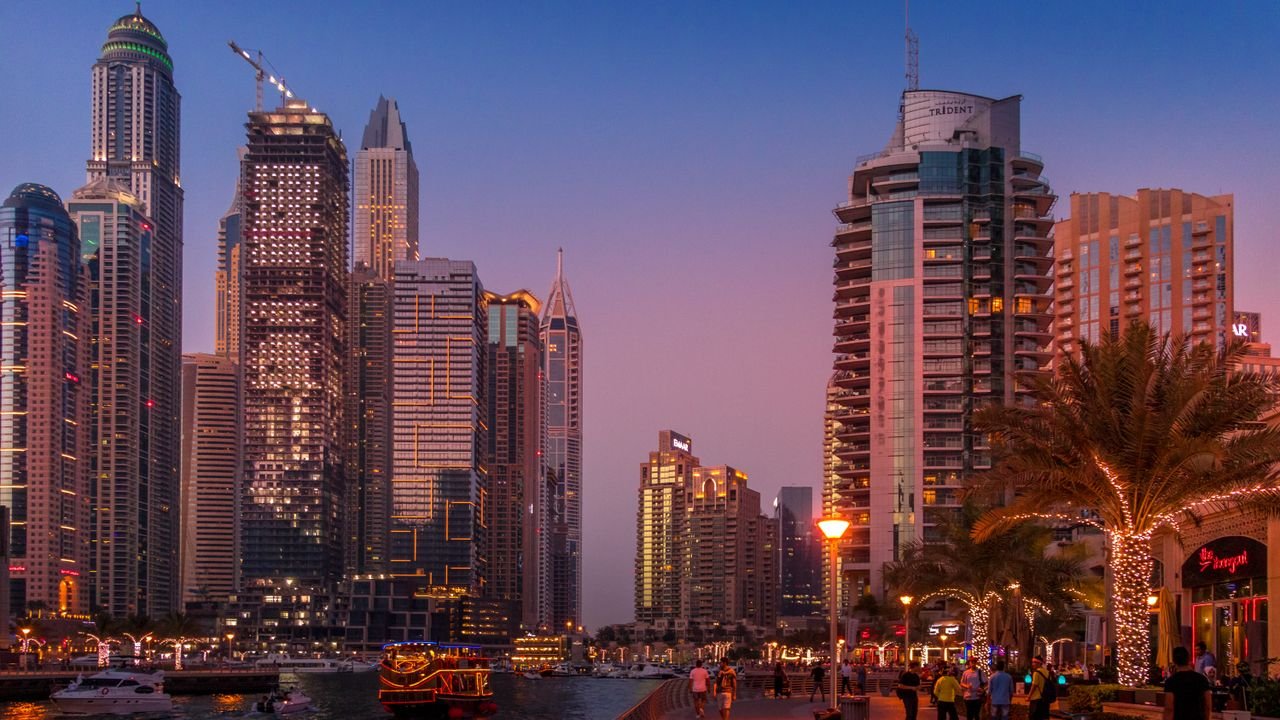
Dragon Mart — the world’s largest Chinese trading hub outside mainland China — sits in Dubai. Over 200,000 Chinese nationals live and work in the UAE. Deira’s electronics district, Jebel Ali’s warehouses, and DIFC’s fintech corridor all have a significant Chinese business presence. Yet most Chinese entrepreneurs researching UAE free zone for Chinese entrepreneurs online get quoted vague figures and generic brochures rather than real numbers.
This guide gives you the actual 2026 costs, the document requirements specific to Chinese passport holders, and an honest assessment of which free zones work best for businesses coming from China.
Can Chinese Nationals Set Up a UAE Free Zone Company?
Yes. Chinese passport holders face no nationality-based restrictions when incorporating in UAE free zones. You can own 100% of your company — no Emirati partner required. This applies to all 45+ free zones in the UAE, regardless of emirate.
One practical note: Chinese corporate documents (if you are transferring an existing Chinese business or need to show registered company history) require notarised translation into English and, in most cases, Chinese Ministry of Foreign Affairs attestation plus UAE Embassy legalisation before free zone authorities will accept them. Plan 2–4 weeks for this if it applies to your situation.
Why Chinese Entrepreneurs Choose UAE Free Zones
100% Foreign Ownership — No Local Partner Needed
A Chinese business owner retains complete equity in a UAE free zone company. There is no mandatory Emirati co-shareholder or local sponsor. This contrasts with mainland UAE (onshore) setup, where certain business structures historically required local involvement — though the 2021 Companies Law reform expanded foreign ownership onshore too.
0% Corporate Tax on Qualifying Free Zone Income
The UAE introduced a 9% corporate tax in June 2023. However, free zone companies that qualify as a Qualifying Free Zone Person (QFZP) under the Federal Tax Authority‘s criteria continue to pay 0% on qualifying income. For Chinese entrepreneurs running trading, consulting, or professional services businesses that primarily transact within and from the free zone, this remains a material benefit. See the UAE Free Zone Corporate Tax 2026 guide for the full QFZP criteria.
Strategic Position Between China and Global Markets
Jebel Ali Port (JAFZA) is the world’s largest man-made harbour. Dubai handles over 15 million TEUs annually. For Chinese manufacturers, traders, and distributors, a UAE free zone entity provides a tax-efficient re-export hub between production in China and end markets in Africa, South Asia, Europe, and the Americas — all reachable within a 4–8 hour flight from Dubai.
No Currency Controls or Profit Repatriation Limits
The UAE imposes no restrictions on moving profits out of the country. For Chinese entrepreneurs managing cross-border cash flows — a recurring pain point under China’s capital controls — UAE-based companies provide genuine financial flexibility.
Chinese Business Community and Infrastructure
Dubai has WeChat-friendly banking, Chinese-speaking company formation agents, and a Chinese Business Council. Dragon Mart, the Dragon Mart 2 extension, and the broader Dubai Silicon Oasis tech cluster all have established Chinese business ecosystems.
How Much Does a UAE Free Zone Cost for Chinese Entrepreneurs in 2026?
Costs vary by free zone and package. The table below covers the three zones most practical for Chinese founders, updated for 2026. Full cost comparison across all UAE free zones here.
| Free Zone | Licence (AED) | Investor Visa (AED) | Office Requirement | Setup Time |
|---|---|---|---|---|
| RAKEZ (Ras Al Khaimah) | From AED 5,750 | From AED 3,750 | Flexi-desk available | 3–5 working days |
| IFZA (Dubai) | From AED 8,500 | From AED 3,700 | Virtual office available | 5–7 working days |
| AFZA (Ajman Free Zone) | From AED 9,000 | From AED 3,750 | Flexi-desk available | 5–7 working days |
What’s not included in these base figures: Emirates ID fees (~AED 370), medical fitness test (~AED 320), visa application charges, and registered agent/service fees if you use a formation agent. A realistic all-in budget for a single-shareholder company with one investor visa at RAKEZ runs AED 10,500–14,000 in year one. IFZA comes in at AED 13,500–18,000.
Best Free Zones for Chinese Entrepreneurs in 2026
RAKEZ — Best for Cost-Conscious Startups and SMEs
Ras Al Khaimah Economic Zone (RAKEZ) is the most affordable full-service free zone in the UAE. Its entry-level packages start at AED 5,750 for a trade or service licence, and it supports a wide range of business activities including general trading, import/export, manufacturing, consulting, and e-commerce. RAKEZ’s flexi-desk packages allow entrepreneurs to hold a UAE address and apply for investor visas without committing to dedicated office space.
For Chinese entrepreneurs setting up a UAE holding or trading entity as a cost-efficient bridge structure, RAKEZ is typically the first zone to evaluate. See the full RAKEZ review here.
IFZA — Best for Consulting, Tech, and Multi-Activity Licences
IFZA (International Free Zone Authority) in Dubai allows multiple business activities on a single licence — useful for Chinese entrepreneurs running tech services, consulting, and trading under one entity. Its Dubai address carries prestige with international banking counterparties and clients. IFZA also has a straightforward online application process that works well for overseas applicants managing setup remotely.
JAFZA — Best for Import/Export and Warehousing
Jebel Ali Free Zone (JAFZA) is the natural choice for Chinese manufacturers and traders who need bonded warehouse space, container handling, and direct port access. Licence costs start higher (from AED 15,000+), but the operational logistics advantages for physical goods businesses are unmatched in the UAE. Note that JAFZA requires a physical presence — virtual office packages are not available.
DMCC — Best for Commodities, Diamonds, and Premium Dubai Positioning
Dubai Multi Commodities Centre (DMCC) in JLT is the world’s leading free trade zone for commodities, precious metals, and tea. For Chinese traders in these categories, a DMCC licence provides direct access to Dubai’s commodity trading ecosystem. Costs start from AED 20,750 and are higher than RAKEZ or IFZA.
Step-by-Step Setup Process
- Choose your free zone and activity: Confirm that your intended business activity (trading, consulting, manufacturing, etc.) is permitted under the licence category at your chosen zone.
- Reserve your company name: Submit 3 name options. Names must comply with UAE naming conventions — avoid names that reference UAE government entities, religions, or are deemed offensive. English transliterations of Chinese names are accepted.
- Submit your application: Upload your passport copy, passport-size photo, and business plan. Some zones require a No Objection Certificate (NOC) from your current UAE employer if you are already on a UAE residency visa.
- Receive initial approval: This typically takes 1–3 working days. You will receive a provisional approval letter.
- Pay licence fees and sign your Memorandum of Association (MOA): This can often be done electronically.
- Receive your Trade Licence: Usually issued within 3–7 working days from payment.
- Apply for your investor visa: Submit your medical fitness test, Emirates ID biometrics, and visa application through the free zone or directly through ICA (Federal Authority for Identity, Citizenship, Customs and Ports Security).
- Open your corporate bank account: With your trade licence, visa, and Emirates ID in hand, approach banks to open a business account. Plan 2–6 weeks for bank onboarding.
Documents You Need
For a new UAE free zone company with a Chinese passport holder as the sole shareholder:
- Valid Chinese passport (minimum 6 months validity remaining)
- Recent passport-size photograph (white background)
- Business plan or activity description (1–2 pages; some zones accept a brief summary)
- Proof of residential address (utility bill, bank statement, or tenancy contract)
If transferring an existing Chinese company or using corporate shareholder structure:
- Certificate of Incorporation (notarised and legalised: Chinese MFA attestation + UAE Embassy legalisation + UAE Ministry of Foreign Affairs attestation)
- Memorandum and Articles of Association (same legalisation chain)
- Board Resolution authorising UAE incorporation
- All corporate documents require certified English translation
UAE Visa Options for Chinese Entrepreneurs
Free Zone Investor Visa (2-Year, Renewable)
The standard route. Issued by your free zone authority. Requires a valid trade licence and proof of share ownership. Costs typically range from AED 3,700–5,500 all-in depending on the zone. Renewable every 2 years (some zones offer 3-year visas).
UAE Golden Visa (10-Year)
Chinese entrepreneurs who invest AED 2 million or more in real estate, or who hold a company with AED 1 million+ in paid-up capital, may qualify for a 10-year UAE Golden Visa. The Golden Visa provides long-term UAE residency without renewal cycles and extends to immediate family members. See the Dubai Golden Visa Guide 2026 for the full eligibility criteria.
Employment Visa via Your Free Zone Entity
Once your company is established, you can sponsor employee visas (including family members) subject to your free zone’s visa quota. Entry-level packages at RAKEZ and IFZA typically allow 1–3 visas; higher packages accommodate more.
Banking Reality for Chinese Entrepreneurs
Banking is frequently the slowest step in the UAE company formation process, and Chinese nationals face additional due diligence scrutiny at some banks. Here is what to expect:
What works in your favour: Chinese businesses with clear trading flows, audited accounts from a recognised Chinese accounting firm, and an established track record generally get through compliance faster. DIFC-based banks (including HSBC, Standard Chartered, and ENBD’s commercial arm) are experienced with Chinese corporate structures.
Chinese banks in the UAE: Bank of China, Industrial and Commercial Bank of China (ICBC), and China Construction Bank all have UAE branches (primarily in Dubai). Opening an account at a Chinese bank in the UAE can be faster if you already have a banking relationship in China — but note that Chinese banks here primarily serve large corporate clients and may have minimum deposit requirements.
What to prepare: 6 months of personal bank statements, a clear description of your business model and expected transaction flows, source-of-funds documentation, and details of your trading counterparties if you are in import/export. See the full corporate bank account opening requirements guide for the complete checklist.
Timeline: Account opening typically takes 3–8 weeks after submitting a complete application. Processing times vary by bank and applicant profile.
FAQ: UAE Free Zone for Chinese Entrepreneurs
Can a Chinese national own 100% of a UAE free zone company?
Yes. All UAE free zones permit 100% foreign ownership. Chinese passport holders face no nationality-based restrictions and do not require a local UAE partner or sponsor to incorporate in any free zone.
What is the cheapest UAE free zone for Chinese entrepreneurs in 2026?
RAKEZ (Ras Al Khaimah Economic Zone) offers the lowest entry-level licence from AED 5,750, making it the most affordable full-service free zone option for Chinese entrepreneurs who do not require a Dubai or Abu Dhabi address.
Do Chinese documents need to be translated for UAE free zone registration?
Personal documents (passport) do not need translation. Corporate documents from China — such as a Certificate of Incorporation or Articles of Association — must be translated into English by a certified translator and legalised via the Chinese Ministry of Foreign Affairs and UAE Embassy before UAE authorities will accept them.
How long does UAE free zone company formation take for Chinese applicants?
The licence is typically issued within 3–7 working days after approval and fee payment. The investor visa adds another 2–4 weeks. If Chinese corporate documents require attestation, allow an additional 2–4 weeks for the legalisation chain before submitting your free zone application.
Which UAE free zone is best for Chinese trading companies?
For general trading and import/export, RAKEZ offers the most cost-effective entry point. For businesses requiring physical warehouse space and port access, JAFZA (Jebel Ali Free Zone) is the top choice — it sits adjacent to Jebel Ali Port, the world’s largest man-made harbour. For commodities trading, DMCC is the global benchmark.
Can Chinese entrepreneurs open a UAE bank account easily?
Chinese nationals can open UAE corporate bank accounts, though the process typically involves enhanced due diligence. Bank of China and ICBC have UAE branches. For general commercial banking, HSBC, Emirates NBD, and Mashreq are commonly used by Chinese-owned businesses. Prepare 6 months of personal bank statements, a business plan, and source-of-funds documentation.