
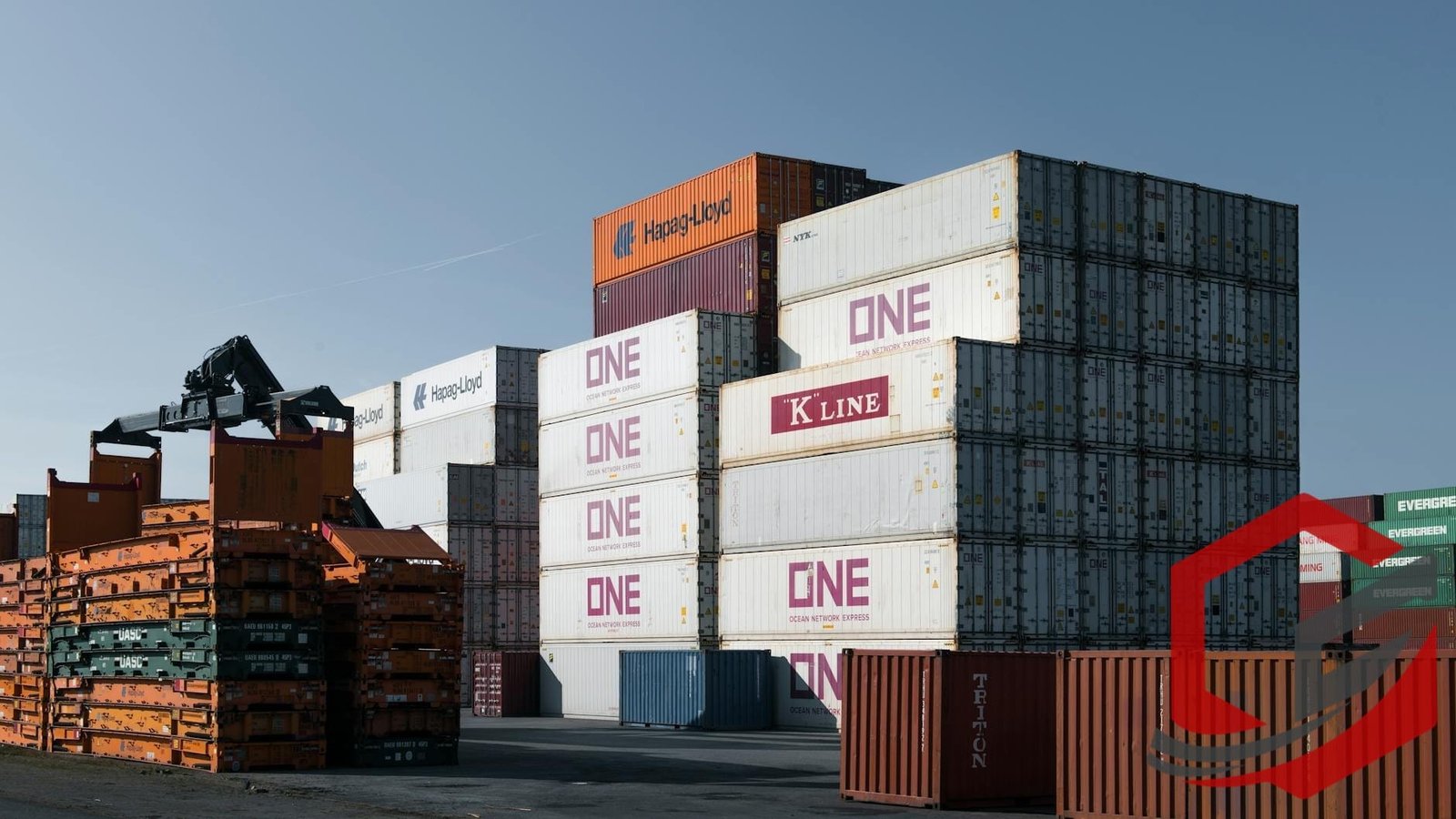
In 1985, Sheikh Rashid bin Saeed Al Maktoum made a decision that most people thought was premature: build a world-class free zone next to a port that had barely opened. Today, Jebel Ali Free Zone — JAFZA — is home to more than 9,500 companies from 120+ countries, sits adjacent to the world’s ninth-busiest port, and processes somewhere in the region of 25% of Dubai’s total GDP. One client we helped set up there last year — a German industrial parts trader — described JAFZA’s location advantage in one sentence: “Our suppliers unload the container, it clears customs, and it’s in our warehouse on the same site. There’s nowhere else in the world where that works this smoothly.”
That kind of setup isn’t right for everyone. JAFZA costs more than newer free zones, has stricter facility requirements, and isn’t the place to register a solo consultancy. But if your business moves physical goods, has genuine warehousing needs, or needs the credibility of the world’s most recognised logistics address, it’s worth the premium. This guide gives you the actual numbers — AED costs for licences, visas, offices, and renewal — and tells you exactly what type of company JAFZA suits in 2026.
What JAFZA Actually Offers — and Who It’s Really For
JAFZA, administered by the Jebel Ali Free Zone Authority (part of DP World), occupies 57.3 square kilometres on the south-western edge of Dubai. It connects directly to Jebel Ali Port — the largest man-made harbour in the world — and sits 15 minutes from Al Maktoum International Airport. In practical terms, this means air-sea connectivity that’s simply unavailable anywhere else in the UAE.
What JAFZA doesn’t have is the flexibility of newer free zones. Its minimum facility commitment is higher than comparable UAE free zones, visa allocation is tied to your physical footprint, and the authority runs its own compliance checks more rigorously than most. The companies thriving at JAFZA are typically traders importing or re-exporting physical goods through Jebel Ali, manufacturers who need warehouse-to-production space on the same site, and multinationals using it as their MENA distribution hub.
Solo consultants, digital businesses, and small service firms will find IFZA, Meydan, or Shams far cheaper and just as compliant. JAFZA’s premium is paid for proximity to the port — if you don’t need that proximity, you’re overpaying.
One thing that surprises people who’ve done their research: JAFZA companies have historically been able to open corporate bank accounts faster than most other free zones. UAE banks — particularly those with trade finance divisions — treat a JAFZA address as a credibility signal. The combination of a physical facility, a world-class logistics address, and DP World’s brand behind the licence means the KYC conversation with a bank is noticeably smoother. Budget 4–6 weeks for account opening rather than the 8–12 weeks some newer free zones take.
Licence Types and Exact AED Costs
JAFZA issues four main commercial licence types. Each has its own facility requirement and cost structure. These are 2026 figures — JAFZA adjusts its fee schedule annually, so always confirm with the authority before committing.
Trading Licence — Covers import, export, and re-export of goods. Licence fee: AED 17,500–22,000 per year depending on commodity category. You’ll need at least a flexi-desk facility (AED 15,000/year minimum) or a warehouse lease. Most trading companies opt for warehouse space because visa allocation is tied to square metres — see below.
Service Licence — Covers professional and business services including management consulting, IT, engineering services, and logistics coordination. Licence fee: AED 13,500–17,000 per year. A flexi-desk or executive suite is sufficient. The authority defines “service” narrowly — you can’t trade goods on a service licence, and they’ll check during renewal.
Industrial / Manufacturing Licence — Covers light and heavy manufacturing, assembly, and processing. Licence fee: AED 19,000–28,000 per year depending on activity category. Requires a dedicated facility — minimum warehouse sizes apply. This is JAFZA’s historical core, and the authority gives it priority in facility allocation.
JAFZA Offshore (Non-Resident) Company — Useful for holding structures, IP ownership, or international trading without a physical UAE presence. No UAE address, no visa eligibility. Licence fee: AED 11,000–15,000 per year. Share capital requirements are nominal. This is a genuinely underused structure for businesses that need UAE legal presence without the overhead of a full free zone setup.
Registration costs (one-time): AED 5,000–8,000 for company registration, name reservation, and initial approvals. Most business setup agents charge AED 1,500–3,000 on top for their assistance. Government fees for company formation in JAFZA typically add AED 2,000–3,500 for Ministry of Economy and other statutory filings.
Total first-year cost for a trading company with a flexi-desk: AED 40,000–52,000 including licence, facility, registration, and government fees. With a small warehouse (750 sq ft minimum for some categories): AED 65,000–90,000 all-in first year.
Visa Allocation and Residency Rules
JAFZA’s visa quota system is more rigorous than most free zones. Unlike Shams or Meydan where a flexi-desk gives you a fixed number of visas regardless of use, JAFZA ties visa allocation directly to your facility size and type.
Flexi-desk: 2–3 investor/partner visas. No employee visas unless you upgrade your facility. This is a hard limit the authority enforces at renewal.
Executive Suite (100–200 sq ft dedicated office): 3–6 visas. Suitable for small teams. Cost: AED 25,000–45,000 per year depending on size and location within JAFZA.
Warehouse (minimum 600–1,200 sq ft depending on category): Visa allocation scales with space — roughly 1 visa per 100–150 sq ft of net leasable area. A 1,200 sq ft warehouse typically supports 8–12 visas. Warehouse costs start at AED 35,000/year and scale with size and proximity to port gates.
Employment visa costs at JAFZA: AED 3,500–5,500 per visa inclusive of medical, Emirates ID, and JAFZA processing fees. Investor/partner visas: AED 4,000–6,000. The 2-year renewable residency visa is the standard. JAFZA companies can also sponsor dependent visas (spouse, children) on the same basis as other UAE free zones.
UAE Golden Visa eligibility: JAFZA company owners qualify for the 10-year UAE Golden Visa if they meet the standard criteria — either a minimum AED 2 million property investment, or AED 2 million paid-up share capital in the company. The free zone itself doesn’t grant the Golden Visa; your eligibility depends on what you personally own or have invested.
One rule that catches people out: all JAFZA employees must be enrolled in JAFZA’s health insurance scheme. You can’t use mainland Dubai health insurance plans for JAFZA visa holders. The minimum compliant plan costs AED 2,500–4,500 per employee per year — budget this when calculating staffing costs, because it’s a mandatory expense most consultants forget to mention.
Office Options — What’s Included, What Costs Extra
JAFZA has three tiers of physical presence, and the tier you choose determines your visa allocation, the activities you can actually run, and your annual outgoings more than any other single factor.
Flexi-Desk (Shared Workstation): Access to a shared workstation in a JAFZA business centre. Included: business address, mail handling, access to meeting rooms (hourly charges apply). Not included: dedicated desk, 24/7 access, storage. Cost: AED 13,500–17,000 per year. Suitable for service companies and JAFZA Offshore setups. Trading companies will find this too restrictive — you can’t receive or store goods here.
Executive Suite (Dedicated Office): A lockable, dedicated office ranging from 100 to 300+ sq ft within JAFZA’s business centres. Included: 24/7 access, meeting room credits (typically 8 hours/month), air conditioning, internet infrastructure (you arrange the connection separately — budget AED 300–500/month). Not included: furniture (you bring your own or rent), dedicated receptionist. Cost: AED 28,000–55,000/year depending on size and business centre location. The JAFZA Business Centre near Gate 4 is the most popular and most expensive.
Warehouse / Industrial Unit: This is JAFZA’s core product. Warehouses range from 600 sq ft starter units to multi-thousand sq ft facilities with dock access. Included: loading dock or ground-level access (depending on unit), power connection, basic fit-out. Not included: racking systems, air conditioning for temperature-sensitive goods (available but charged separately), security cameras (you install your own). Cost: AED 45–85 per sq ft per year depending on unit type, location, and amenity level. A 1,200 sq ft warehouse runs AED 55,000–100,000 per year.
Land leases for large manufacturing operations are available on 25-year terms. These are negotiated directly with JAFZA’s business development team and aren’t published as standard pricing.
Banking — Which UAE Banks Actually Open Accounts for JAFZA Companies
JAFZA’s port address and DP World backing translate directly into a smoother banking experience than almost any other UAE free zone. The banks that consistently accept JAFZA company accounts in 2026:
Emirates NBD: Strong for trading companies with Jebel Ali port activity. Their trade finance team actively courts JAFZA clients. Business current account minimum balance: AED 50,000 (waived if monthly throughput exceeds AED 500,000). Typical account opening time: 4–6 weeks.
First Abu Dhabi Bank (FAB): Excellent for multinational subsidiaries and holding structures. Their business banking division has a dedicated free zone desk. Minimum balance: AED 25,000–50,000 depending on account type. Strong for multi-currency accounts — useful for MENA distribution hubs.
Mashreq Bank: Good for smaller trading companies. Their NeoBiz digital onboarding works for straightforward business structures. Minimum balance: AED 25,000. They’re notably faster than some competitors — 3–5 weeks when documentation is clean.
RAKBANK Business: Best for cost-conscious small companies. No minimum balance requirement on some accounts (transaction fees apply instead). Processing time: 4–7 weeks. They do thorough KYC on trading companies — have your supplier and customer list ready.
ADCB: Preferred by manufacturing companies and those with Abu Dhabi supply chain connections. Trade finance services are strong. Minimum balance: AED 50,000.
One document that consistently makes the difference: a JAFZA No Objection Certificate (NOC) or a copy of your lease agreement with JAFZA. Banks treat a physical JAFZA facility as proof of substantive business activity, which simplifies the AML/KYC review. Offshore JAFZA companies have a harder time — most banks require a physical facility elsewhere or a correspondent bank relationship.
Renewal at JAFZA — What Actually Changes Year 2+
JAFZA operates on an annual licence renewal cycle. The renewal deadline is 30 days before your licence expiry date — miss it and you pay a late penalty of AED 500 per month plus potential activity suspension.
What stays the same: The licence fee structure doesn’t dramatically change year-on-year unless JAFZA announces a general fee increase (typically 3–7% annually, in line with UAE inflation). Your facility lease terms lock in for 1–3 years depending on what you negotiated.
What changes at renewal: JAFZA requires a compliance declaration confirming your activities match your licence. If you’ve added a new product category or service line, you need to request an activity amendment before renewal — don’t try to slip it through. The authority’s compliance team does cross-check this.
Audited accounts: JAFZA doesn’t mandate statutory audits for all licence types, but certain categories (particularly those with large visa quotas or customs registration) require an auditor’s report at renewal. Factor in AED 5,000–15,000 for a UAE-registered audit firm if this applies to you.
Visa renewals: Employment and investor visas are renewed on a 2-year cycle, independent of licence renewal. The two timelines often fall out of sync by year 3 — keep a spreadsheet. Each visa renewal costs AED 2,500–4,000 inclusive of medical repeat and Emirates ID reissuance.
Year 2 total cost estimate (trading company, flexi-desk, 2 visas): AED 35,000–48,000 — typically 10–15% less than year 1 because you’re not paying one-time registration fees again.
Is JAFZA Right for You? The Honest Verdict
JAFZA is one of the world’s genuinely great free zones — but it’s not the right choice for most businesses we speak to at Freezonera. Here’s the honest breakdown.
Choose JAFZA if: You’re a trader, importer, or manufacturer for whom proximity to Jebel Ali Port is a real operational advantage. If you’re shipping containers through Jebel Ali regularly, the reduction in logistics costs and clearance time can easily offset JAFZA’s premium licence and facility costs. Also choose JAFZA if you’re a multinational setting up a MENA distribution hub — the address credibility and bank account accessibility are hard to replicate.
Don’t choose JAFZA if: You’re a solo consultant, freelancer, digital business, or service provider. IFZA at AED 12,500/year, Meydan at AED 13,500/year, or Shams at AED 11,500/year give you the same 100% ownership, the same UAE residency visa, and a fraction of the cost. The port advantage means nothing if you’re not moving physical goods.
The middle ground: If you’re a trading business that doesn’t actually need port-adjacent warehousing, DMCC in Dubai or RAKEZ in Ras Al Khaimah will give you solid trading licence credentials at lower costs. The question to ask yourself is simple: does your business model require physical goods to move through Jebel Ali? If yes, JAFZA. If no, there are cheaper options with equivalent legal standing.
JAFZA 2026: Frequently Asked Questions
Can a JAFZA company sell to UAE mainland customers?
Yes, but with a mechanism. Like all UAE free zone companies, JAFZA entities can’t sell directly to UAE mainland customers without a local distributor or customs import entry. When you sell goods from JAFZA to a Dubai mainland company, the transaction is treated as an import — the mainland buyer pays 5% VAT and customs duty at the point of entry. This is standard free zone-to-mainland commerce and works fine, but don’t expect to invoice a Deira supermarket directly without that process in place. For services (management consulting, IT, marketing), the restriction is less pronounced — check with a UAE tax advisor for your specific activity.
How long does JAFZA company formation take?
From submitting your complete application to receiving a trade licence: 7–15 working days for straightforward applications. The bottleneck is usually facility allocation — particularly for warehouses, which have a waitlist in popular locations and sizes. If you need warehouse space quickly, start that conversation before finalising your licence application. The licence itself processes in 5–7 days once the facility is confirmed. If your business involves regulated activities (food handling, chemicals, pharmaceuticals), add another 2–4 weeks for sector-specific approvals from Dubai Municipality or the relevant authority.
Does JAFZA offer any payment plan for licence fees?
As of 2026, JAFZA does not offer structured instalment plans for standard licence fees — the full annual fee is due upfront at registration and at each renewal. Some business centres within JAFZA offer quarterly payment options for facility rentals (particularly executive suites), but this isn’t guaranteed and depends on occupancy rates. If cash flow is a concern, discuss it directly with JAFZA’s leasing team — they have informal flexibility for established clients, less so for new applicants. Budget the full amount upfront and treat any payment flexibility as a bonus rather than a right.
Can a JAFZA offshore company own property in the UAE?
JAFZA Offshore companies can own freehold property in designated areas — this is one of their specific advantages over some other offshore structures. Dubai allows offshore companies registered in JAFZA and RAKEZ to purchase freehold property in designated zones (similar to the areas open to foreign individuals). This makes JAFZA Offshore a common holding structure for UAE real estate investments. However, a JAFZA Offshore company cannot engage in onshore business activity, employ staff in the UAE, or have a UAE residence visa attached to it — it’s a holding structure, not an operational company.
What happens if I miss my JAFZA renewal deadline?
Missing the renewal deadline triggers penalties that escalate quickly. The first 30 days late: AED 500 penalty. After 30 days: the licence goes into “under suspension” status and your company technically cannot conduct business. Bank accounts may be flagged. After 90 days of suspension, JAFZA initiates a cancellation process — at which point you’ll need to pay all outstanding fees plus a reinstatement fee (AED 2,000–5,000) to revive the licence. Employees’ residency visas tied to a suspended licence can be challenged at renewal. Set a calendar reminder 60 days before expiry — not 30.
Start Your JAFZA Application
JAFZA is a premium free zone that rewards businesses with genuine logistics and trading needs. If your company’s model involves physical goods moving through the Gulf, it’s worth every dirham of the premium. If it doesn’t, there are cheaper structures that deliver the same legal and tax benefits — and we can help you choose the right one.
The costs, visa allocations, and timelines in this guide reflect the position as of May 2026. JAFZA updates its fee schedule regularly, and warehouse availability changes monthly. For a personalised cost breakdown based on your specific activity, team size, and facility needs, message us on WhatsApp at +971527628456 — we usually get back within an hour.