
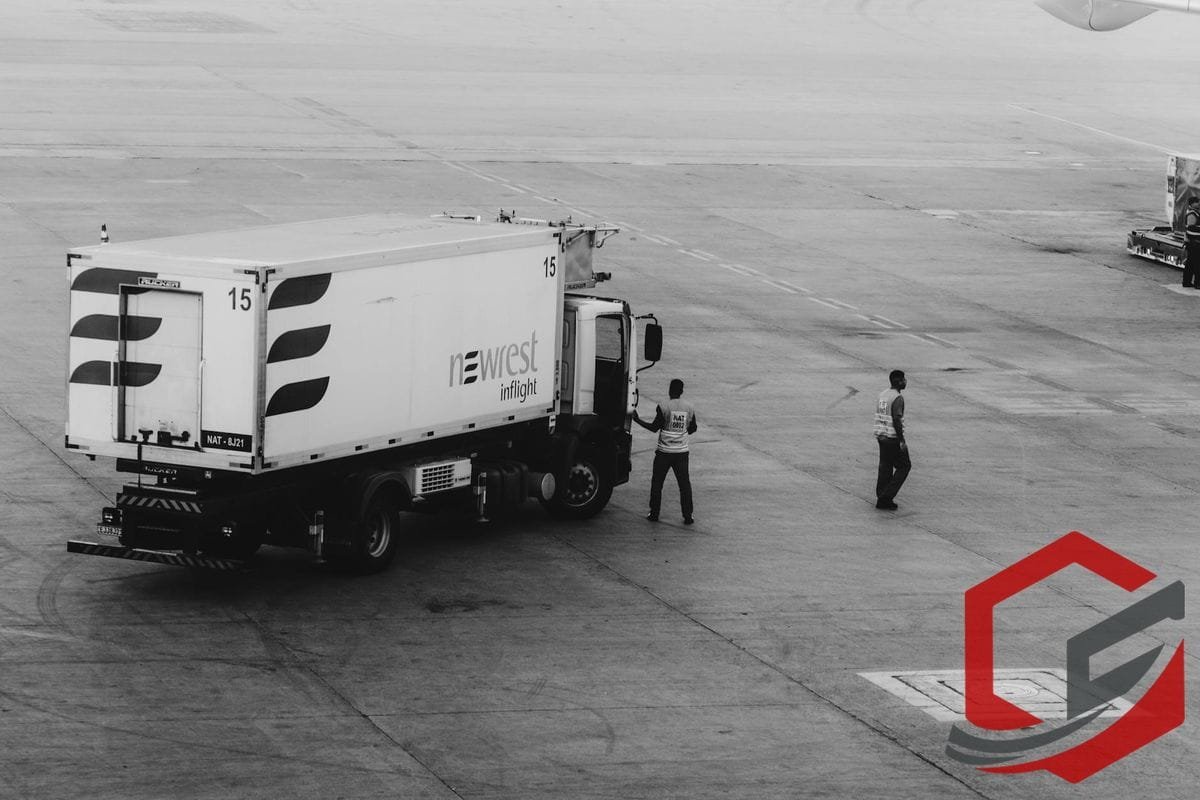
Stand on the cargo apron at Dubai International, watch a wide-body get turned around in under three hours, and you start to understand why a company would pay a premium to be inside the fence. That’s the pitch DAFZA has made since 1996: set up metres from one of the busiest air-cargo hubs on the planet, and your goods clear customs before a mainland competitor has even booked a courier. In 2026, the Dubai Airport Free Zone Authority sits inside the Dubai Integrated Economic Zones Authority (DIEZ) alongside Dubai Silicon Oasis and Dubai CommerCity, and it still markets itself as the address for serious trading and high-value logistics firms rather than the cheapest licence in town.
I’ve helped clients weigh DAFZA against half a dozen cheaper zones, and the honest answer is that it’s not for everyone. It costs more than RAKEZ or IFZA, it expects you to behave like a real business, and the savings nobody talks about only show up if you’re actually moving freight through DXB. So let’s go through what you’ll really pay, how many visas you can get, which banks will open your account, and whether the airport address earns its keep. If you want a wider view first, our guide to all UAE free zones lays out the landscape.
What DAFZA actually offers, and who it’s really for
DAFZA’s whole identity is location. The free zone wraps around Dubai International Airport’s Terminal 2 and cargo village, which means a company based there can move air freight in and out with minimal handling time. For a perishables trader, an electronics distributor, or a pharmaceuticals importer, that proximity isn’t a marketing line; it’s hours shaved off every shipment and a genuine edge on spoilage and lead times.
The zone is run by the Dubai Airport Free Zone Authority, with H.H. Sheikh Ahmed bin Saeed Al Maktoum as Chairman and Amna Lootah serving as Director General. Since the 2021 reorganisation, DAFZA operates under DIEZ, the same umbrella that holds Dubai Silicon Oasis and Dubai CommerCity, so a DAFZA company today plugs into a broader integrated-zones ecosystem than it did a decade ago.
That DIEZ umbrella matters more than most setup pages admit. It means a DAFZA licence now sits in the same family as a tech-focused zone (Dubai Silicon Oasis) and an e-commerce zone (Dubai CommerCity), and the authority has been aligning processes across all three. For a growing group, that can make it simpler to add a sister entity in a different DIEZ zone later without starting from scratch with a new regulator. It’s not a headline benefit, but if you expect to diversify activities down the line, being inside an integrated-zones structure is quietly useful.
Who’s it really for? In my experience, DAFZA suits established trading companies, regional headquarters, and firms in aviation, electronics, pharmaceuticals, jewellery, and high-value goods that need a premium address and fast logistics. It’s a poor fit for a solo consultant, a freelance designer, or a first-time founder testing an idea on a shoestring; those people are better served by a budget zone. If you’re comparing the cheap end of the market, our breakdown of the cheapest free zone licences on the Freezonera blog is a more sensible starting point. DAFZA gives you 100% foreign ownership, full profit repatriation, and no personal income tax, but so does almost every UAE free zone now, so those aren’t reasons to pick it over a rival. The reason to pick DAFZA is the airport. Everything else is table stakes.
Licence types and the exact AED costs for each
DAFZA issues four main licence categories, and the headline figure most consultants quote is a licence fee of around AED 15,000 per year for a Trading, Service, or Industrial licence. A General Trading licence, which lets you trade across a much wider basket of products, sits higher at roughly AED 50,000 per year. Those numbers are the licence line alone; they’re not the all-in cost, and anyone who tells you AED 15,000 gets you operating is leaving things out.
Here’s the realistic build-up. A basic DAFZA package, including a registration address and a small number of business activities under one licence category, tends to start around AED 22,000 once you fold in registration and the licence. Add an establishment card at AED 2,020 for the first year (renewing at about AED 1,870), then a workspace, then your visas, and a genuine first-year outlay for a small trading company with a flexi-desk and two or three visas usually lands somewhere between AED 42,500 and the high AED 50,000s. I tell clients to budget AED 45,000 to AED 60,000 for year one and to treat anything lower as a teaser price that hasn’t counted the office or the visas yet.
One detail worth planning for: adding or amending activities after incorporation carries its own fee, and switching from a standard Trading licence up to General Trading mid-term isn’t free either. So think about your two-year product roadmap before you lock the licence category. If you’re confident you’ll only ever move a narrow set of goods, the cheaper Trading licence is right; if you can see yourself adding unrelated product lines within a year, paying for General Trading up front can be cheaper than amending twice.
The four licence types map cleanly to activity. A Trading licence covers import, export, and distribution of specified goods. A Service licence covers consultancy and professional services. An Industrial licence covers light manufacturing and assembly. The General Trading licence is the premium option for traders who want maximum flexibility across product lines, and its higher fee reflects that breadth. Pick the narrowest licence that genuinely fits what you’ll do; paying for General Trading when you only sell two product categories is money lit on fire. If you’re torn between a free-zone and an onshore structure, our UAE mainland company formation guide explains when a mainland licence makes more sense than any free zone.
Visa allocation and residency rules
Visa quota is where DAFZA’s premium positioning shows up most clearly. Unlike the ultra-cheap zones that hand out a fixed one or two visas with a flexi-desk, DAFZA ties your visa allocation tightly to the physical space you lease. A flexi-desk or smart desk typically supports a small number of visas, while a private office unlocks a quota that scales with the square metres you take. The rule of thumb the zone applies is roughly one visa per allotted space unit, so if you need ten visas, you need to lease enough office to justify them. There’s no shortcut around this; DAFZA won’t issue a quota that your premises can’t support.
Every visa runs through the standard UAE residency process: entry permit, status change, medical fitness test, Emirates ID biometrics, and visa stamping. For a DAFZA company the establishment card has to be active first, which is why that AED 2,020 line matters before you can sponsor anyone. Residency visas are now generally issued for two years for free-zone employees, and the whole process for one person, once documents are in order, runs about one to two weeks.
If you’re a shareholder or senior professional, it’s worth checking whether you qualify for a longer-term route rather than the standard employment visa. Many DAFZA business owners and skilled specialists meet the thresholds for the UAE’s ten-year residency; our UAE Golden Visa guide walks through the qualifying categories and the income or investment levels involved. Securing a Golden Visa alongside your DAFZA setup decouples your residency from your company’s annual renewals, which is a quiet but real advantage for anyone planning to stay long term.
Office options, what’s included and what costs extra
DAFZA offers the full ladder of workspace, and the rung you choose drives both your cost and your visa quota. At the entry level, a flexi-desk or shared smart-desk arrangement starts around AED 5,000 per year and gives you a registered address plus limited desk access; it’s enough to hold a licence and a couple of visas but not to run a team from. Move up to a private fitted office and you’re looking at anywhere from AED 10,000 to AED 50,000 a year depending on size, fit-out, and tower, with the larger executive suites and headquarters floors running well beyond that.
What’s included usually covers the basics: the address, building services, security, and access to shared facilities. What costs extra catches people out. Parking allocations, additional fit-out, meeting-room hours beyond your allowance, and signage are commonly billed on top. DAFZA also offers on-site warehousing and light-industrial units for companies that physically handle goods, and those are priced separately from office space; if you’re importing and storing stock near the airport, that warehouse line can dwarf your licence fee, so model it early.
Here’s the thing that surprises even people who’ve done their research: DAFZA has historically leaned toward real, physical premises rather than the pure virtual-office model that the cheaper emirate zones built their volume on. The flexi-desk softened that, but DAFZA still expects tenants to have a genuine footprint, and that expectation is baked into how generously it allocates visas. If your business plan assumes a Zoom-only operation with no real desk, DAFZA is the wrong zone, and you’ll feel that friction at renewal. A budget zone with a relaxed substance policy will serve you better.
Banking: which banks actually open accounts for DAFZA companies
DAFZA carries a reputational advantage at the bank counter that the cheaper zones simply don’t. Because it’s a long-established, government-backed zone wrapped around the airport, UAE banks treat a DAFZA trade licence as a lower-risk profile than a brand-new licence from an obscure emirate free zone. That doesn’t mean an account is automatic, but it means your file starts on the front foot.
In practice, the mainstream UAE banks that regularly open accounts for DAFZA companies include Emirates NBD, Mashreq, ADCB, RAKBANK, and WIO among the digital-first options, with the international names like HSBC considering larger or regionally connected businesses. The bank will still run full compliance: they’ll want your incorporation documents, a clear description of your trade flows, expected turnover, details of suppliers and customers, and often proof of business activity such as contracts or invoices. The cleaner and more believable your trade story, the faster the approval.
The single biggest reason DAFZA applications get delayed is the same one that trips up every UAE free-zone company: a vague or inconsistent account-opening file. Banks have tightened compliance sharply, and a trading company that can’t explain where its goods come from and where they’re going will wait weeks or get declined. We help clients package this properly through our UAE business bank account service, and the difference between a tidy file and a sloppy one is often the difference between a two-week approval and a two-month one.
Renewal and what actually changes in year two and beyond
The good news about DAFZA renewals is that the structure is stable. You renew the licence annually, you renew the establishment card (around AED 1,870 versus the AED 2,020 first-year fee), and you renew your office lease and visas on their own cycles. There’s no nasty re-registration; year two is mostly a repeat of the recurring lines from year one minus the one-off setup costs.
What does change is that the one-time fees fall away, so your year-two cost is genuinely lower than year one, often noticeably so once registration and initial setup charges drop out. The lines that persist are the licence fee, the establishment card, your workspace rent, and visa renewals every two years. Build a simple annual model with those four buckets and you’ll never be surprised at renewal.
The trap to watch is the office lease escalation and any change in your visa needs. If you’ve grown and need more visas, you may need to upgrade your space to support the higher quota, and that’s where a “cheap” renewal suddenly jumps. Plan headcount a year ahead so a hiring push doesn’t collide with a lease that can’t carry the visas. For the day-to-day admin of renewals, document attestation, and government paperwork, many of our clients lean on our PRO services in the UAE so deadlines don’t slip and fines don’t accrue.
One more practical point on banking: keep your DAFZA address consistent across every document the bank sees. A surprising number of delays come from a licence that lists one address, a tenancy contract that lists another, and a utility bill that matches neither. Banks read those mismatches as a red flag even when they’re innocent admin errors. Get the paperwork aligned before you walk into the branch, and the airport-zone credibility will work in your favour rather than being undone by sloppy files.
Is DAFZA right for you? The honest verdict
Let me be direct, because that’s more useful than hedging. DAFZA is worth the premium if, and only if, the airport address does real work for your business. If you trade physical goods that move by air, run a regional headquarters that values a prestigious Dubai address, or operate in a sector where banks and partners judge you partly by your zone, DAFZA earns its higher fees. The faster customs clearance, the credibility at the bank, and the proximity to DXB cargo are tangible, and for the right company they pay for themselves.
If you’re a consultant, a freelancer, an e-commerce seller drop-shipping from overseas, or a founder testing an idea, DAFZA is overkill. You’ll pay two to three times what a budget zone charges for benefits you won’t use, and the substance expectations will feel like friction rather than value. For those profiles, a lower-cost zone, or even a mainland licence if you need to serve the local UAE market directly, is the smarter call.
My recommendation: if your annual revenue and trade volume justify a premium logistics base, shortlist DAFZA and compare it head-to-head against JAFZA, which offers a sea-port-and-Jebel-Ali alternative for heavier or container freight. If you’re not moving physical goods through DXB, look elsewhere and keep your capital for growth. The right zone is the one that matches how your business actually operates, not the one with the most impressive name. You can browse our other detailed zone guides on the Freezonera blog to compare the alternatives properly before you commit.
Frequently asked questions about DAFZA
How much does it really cost to set up in DAFZA in 2026?
The licence fee alone is around AED 15,000 per year for a Trading, Service, or Industrial licence, and roughly AED 50,000 for a General Trading licence. But that’s not your real cost. Once you add the establishment card at AED 2,020, a workspace from AED 5,000, and two or three visas, a realistic first-year total for a small trading company lands between AED 42,500 and the high AED 50,000s. I tell clients to budget AED 45,000 to AED 60,000 for year one and treat any quote under AED 30,000 as one that hasn’t counted the office or visas yet. Year two is lower because the one-time setup fees drop away.
How many visas can I get with a DAFZA licence?
Your visa quota is tied directly to the physical space you lease, not to the licence itself. A flexi-desk or smart desk supports only a small number of visas, while a private office scales the quota up roughly in line with the square metres you take. The practical rule is about one visa per allotted space unit, so if you need ten visas you must lease enough office to justify them. DAFZA won’t issue a quota your premises can’t support, which is a deliberate contrast to the cheap zones that bundle a fixed one or two visas with any flexi-desk.
Will UAE banks open an account for a DAFZA company?
Yes, and DAFZA companies generally have an easier time than firms from obscure free zones because the zone is government-backed and well established. Emirates NBD, Mashreq, ADCB, RAKBANK, and digital banks like WIO regularly open accounts for DAFZA businesses, with international names considering larger firms. You’ll still face full compliance: incorporation documents, a clear trade description, expected turnover, and details of suppliers and customers. The cleaner your account-opening file, the faster the approval. A vague or inconsistent file is the single biggest cause of delays and rejections, so prepare it carefully or get help packaging it.
Can I run a DAFZA company entirely remotely with no office?
Not really, and this catches people out. DAFZA has historically expected tenants to have a genuine physical footprint rather than a pure virtual office, and that expectation is baked into how it allocates visas. The flexi-desk option softened the requirement, so you can hold a licence with minimal space, but DAFZA is not the zone for a Zoom-only operation. If your plan assumes no real desk and a handful of remote visas, you’ll feel friction at setup and renewal. A budget emirate zone with a relaxed substance policy is a better fit for fully remote businesses.
How long does DAFZA company formation take?
Registration typically takes seven to ten business days once your documents are in order, and the process can be completed remotely, so shareholders don’t need to be physically present for incorporation. Visa processing runs separately: once your establishment card is active, each residency visa takes roughly one to two weeks through the entry permit, medical, Emirates ID, and stamping steps. So a realistic end-to-end timeline, from signing to having your licence and first visa in hand, is around three to four weeks. Having clean, attested documents ready at the start is the biggest factor in hitting the faster end of that range.
The bottom line
DAFZA is a premium free zone that knows exactly what it is. It’s built for trading companies, regional headquarters, and high-value-goods businesses that need fast air logistics and a credible Dubai address, and for those firms the higher fees are justified by faster clearance, easier banking, and the airport on your doorstep. It’s not built for solo consultants or shoestring startups, who’ll find far better value in a budget zone. Be honest about which camp you’re in, model the full first-year cost rather than the teaser licence fee, and match the zone to how your business actually moves goods and people. Check DAFZA’s official details at dafz.ae, and when you’re ready to compare your options properly, start with the Freezonera homepage for UAE business setup support.
For a personalised cost breakdown or application help, message us on WhatsApp at +971527628456 — we usually get back within an hour. You can also reach us through our contact page if you’d prefer to send your details in writing.
Related: SAIF Zone guide | Cost Masdar City zone guide | Visa cost FZ