
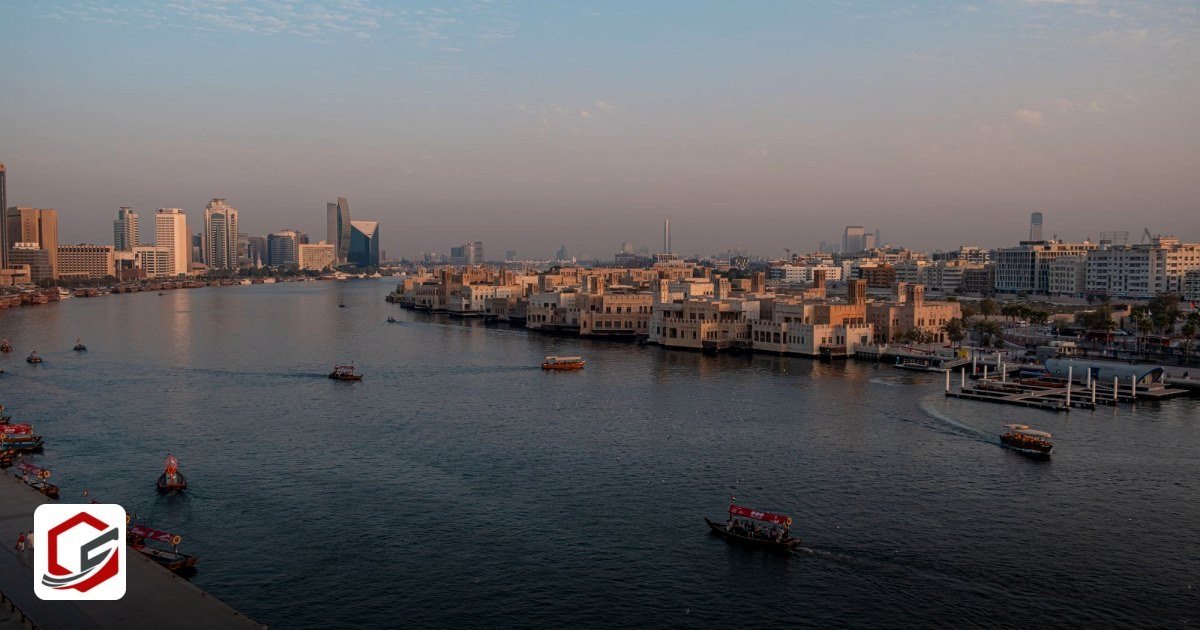
British entrepreneurs are increasingly turning to the UAE as a strategic base for launching and scaling their businesses. The country offers a stable political environment, modern infrastructure, and a business-friendly regulatory framework that appeals to founders seeking international reach. With strong legal protections and streamlined processes for foreign investors, the UAE provides a compelling alternative to traditional European hubs.
FreezonEra’s UAE setup team helps British founders handle attestation, licensing and bank account opening in one engagement — start your application.
Why British Founders Choose the UAE for Company Setup
The UAE’s geographic location at the crossroads of Europe, Asia, and Africa makes it an ideal launchpad for businesses targeting emerging markets. British founders benefit from time zone alignment with both the UK and key Asian economies, facilitating real-time communication with global teams and clients. The widespread use of English in business and government further reduces operational friction, allowing UK entrepreneurs to operate comfortably without language barriers.
Beyond logistics, the UAE offers a high standard of living, world-class healthcare, and international schools — factors that support relocation decisions for founders and their families. The absence of personal income tax in most emirates is a significant draw, though it’s important to note that tax residency and obligations depend on individual circumstances and substance requirements. Many British founders also appreciate the UAE’s commitment to innovation, particularly in sectors like fintech, logistics, and renewable energy.
Free zones across the UAE provide tailored solutions for foreign investors, offering 100% ownership, customs exemptions, and simplified administrative procedures. These zones are designed to attract international businesses and often include sector-specific incentives. For British entrepreneurs looking to establish a presence without navigating complex local sponsorship rules, free zones represent a practical and efficient entry point.
The UAE’s legal system, while based on civil law principles, includes specialised commercial courts and arbitration centres that uphold international standards. This provides a predictable environment for contract enforcement and dispute resolution — critical for businesses engaged in cross-border trade. Combined with political stability and proactive government support for entrepreneurship, these factors create a resilient foundation for long-term business growth.
Step-by-Step Process to Register Your UAE Company
The first step in setting up a company in the UAE is selecting the appropriate jurisdiction — mainland, free zone, or offshore — based on your business activity, ownership preferences, and market access needs. Each jurisdiction has distinct rules regarding foreign ownership, office requirements, and scope of operations. British founders should assess whether they need to trade directly with the UAE market or primarily operate internationally, as this influences the optimal setup.
Once the jurisdiction is chosen, the next step is reserving a trade name and defining the company’s legal structure, such as a Limited Liability Company (LLC) or Free Zone Establishment (FZE). The trade name must comply with UAE naming conventions and avoid restricted terms. After approval, founders submit initial documents, including passport copies, proof of address, and a business plan outlining proposed activities and projected operations.
Following name approval, applicants submit a formal application for initial approval from the relevant authority — whether a free zone authority or the Department of Economic Development (DED) on the mainland. This step confirms that the proposed business activity is permitted and that the founders meet eligibility criteria. Depending on the jurisdiction, additional approvals may be required from sector-specific regulators, such as those governing finance, healthcare, or education.
After securing initial approval, founders draft and notarise the company’s Memorandum and Articles of Association (MoA/AoA), which outline shareholding, management structure, and operational rules. These documents are then submitted along with lease agreements for a physical or virtual office — a mandatory requirement in most jurisdictions. Upon final review and payment of fees, the trade licence is issued, allowing the company to legally commence operations.
The final steps involve registering for VAT (if applicable), obtaining any industry-specific licences, and setting up essential services such as telecommunications and utilities. Many free zones offer integrated support services to help founders navigate these stages efficiently. Throughout the process, engaging a licensed corporate service provider can ensure compliance and reduce administrative delays.
Opening a Business Bank Account in the UAE: What You Need
Opening a business bank account in the UAE is a critical step after company registration, though it can present challenges for new founders unfamiliar with local banking requirements. Banks in the UAE conduct thorough due diligence to comply with anti-money laundering (AML) and know-your-customer (KYC) regulations, which means the process often requires more documentation than in the UK. British founders should prepare for a detailed review of their business model, source of funds, and intended transactions.
Typical documents required include the company’s trade licence, certificate of incorporation, MoA/AoA, passport and visa copies of shareholders and authorised signatories, proof of address (such as a utility bill or tenancy contract), and a detailed business plan. Some banks may also request bank reference letters from the UK or audited financial statements, particularly if the company has been operating elsewhere. It’s advisable to contact the chosen bank in advance to confirm their specific requirements.
Many banks prefer to see evidence of substance in the UAE, such as a physical office, local employees, or ongoing business activity. Founders operating from a free zone may find it easier to open an account if they can demonstrate active operations within the zone, as some free zones have partnerships with banks that streamline the process for their clients. Virtual offices alone may not suffice for certain banks, so clarifying this early is essential.
The timeline for account opening can vary from a few days to several weeks, depending on the bank’s internal procedures and the completeness of the application. Founders should be prepared to attend an in-person interview, although some banks now offer remote verification options for certain client categories. Maintaining clear, consistent communication with the relationship manager can help expedite the process.
It’s important to note that while the UAE dirham (AED) is the local currency, many business accounts support multi-currency transactions, including GBP and USD, which is beneficial for UK-based founders managing international payments. However, banks do not publish standard fee schedules publicly, so founders should request a full breakdown of account maintenance, transaction, and transfer charges before proceeding.
Understanding UAE Tax Obligations for British Nationals
The UAE does not impose personal income tax on individuals, which means British nationals residing in the UAE are not taxed on their salaries or dividends by the Emirati government. However, this does not automatically exempt them from UK tax obligations. UK tax residency is determined by the Statutory Residence Test, and spending significant time in the UAE may affect one’s status — though non-residents are generally only taxed on UK-sourced income.
Income below this threshold is subject to a 0% rate. Free zone companies may qualify for preferential treatment if they meet specific criteria, including maintaining adequate substance and not conducting business with the mainland UAE. British founders should assess whether their activities fall within the scope of CT and seek professional advice to ensure compliance.
Value Added Tax (VAT) is levied at a standard rate of 5% on most goods and services in the UAE. Once registered, they are required to file periodic returns, maintain accurate records, and issue tax-compliant invoices. Even if below the threshold, voluntary registration may be beneficial for reclaiming VAT on business expenses.
Double taxation agreements (DTAs) exist between the UAE and the UK to prevent the same income from being taxed in both jurisdictions. The UAE-UK DTA covers income tax and capital gains, providing relief mechanisms such as tax credits or exemptions. British founders should review the treaty provisions relevant to their income streams — such as dividends, interest, or royalties — to understand how cross-border taxation applies to their situation.
Given the complexity of international tax rules, it is strongly recommended that British founders consult with qualified tax advisors familiar with both UK and UAE regulations. Professional guidance can help structure operations efficiently, meet reporting obligations in both countries, and avoid unintended liabilities. Tax rules can evolve, so ongoing review is essential to maintain compliance as business activities develop.
Document Attestation: Requirements and Procedures
Before you can open a corporate bank account or register a free‑zone entity, the United Arab Emirates requires that certain documents be formally attested. The process ensures that the paperwork is recognised both locally and internationally, and it typically involves three stages: notarisation in the UK, legalisation by the UAE Embassy in London, and final verification by the relevant UAE authority.
Key documents that usually need attestation include:
- Passport copies of shareholders and directors
- Proof of address (utility bill or bank statement dated within the last three months)
- Certificate of incorporation or, for start‑ups, a draft memorandum and articles of association
- Power of attorney authorising a local sponsor or service provider to act on your behalf
Step‑by‑step, the procedure looks like this:
- Notarise the original documents at a UK notary public.
- Legalise the notarised copies at the UAE Embassy in London – you will need to book an appointment and pay the embassy’s standard fee.
- Authenticate the embassy‑stamped documents with the UAE’s Ministry of Foreign Affairs and International Cooperation (MOFAIC) once you arrive in the Emirates. Many free‑zone authorities offer a fast‑track service for this final step.
Keep a set of both original and certified copies; the originals are required for the bank, while the certified copies are sufficient for the free‑zone authority. Timing can vary, but allocating at least two weeks for the full attestation cycle helps avoid unnecessary delays.
Common Challenges and How to Avoid Them
Setting up a UAE company as a British founder can be straightforward, yet several pitfalls tend to trip up newcomers. Understanding these challenges ahead of time allows you to sidestep costly re‑work.
- Incomplete documentation – Missing a single signature or an outdated passport can halt the whole process. Use a detailed checklist (see below) and double‑check each item before submission.
- Banking hesitancy – Some banks request additional proof of source of funds or a business plan. Prepare a concise executive summary and recent personal bank statements to demonstrate financial credibility.
- Misinterpreting free‑zone rules – Each free‑zone has its own activity list and share‑holding limits. Verify that your intended business activity aligns with the chosen zone’s regulations.
- Delays in attestation – Embassy appointments can fill up quickly, especially during peak travel seasons. Book early and consider using a professional attestation service to expedite the process.
- Tax residency confusion – While the UAE offers a zero‑rate corporate tax environment for many activities, you must still comply with UK tax obligations. Seek advice from a cross‑border tax specialist to ensure you meet both jurisdictions’ reporting duties.
By anticipating these issues and preparing the required documentation in advance, you can keep the setup timeline on track and avoid unnecessary frustration.
Final Verdict: Is UAE Company Setup Right for You?
The decision to establish a UAE entity hinges on your business goals, growth strategy and personal circumstances. For British founders seeking a gateway to the Middle East, Africa and South‑Asia markets, the UAE offers a tax‑efficient environment, world‑class infrastructure and a reputation for commercial stability.
Consider the following points when weighing your options:
- Do you need a local presence to win contracts or to access regional supply chains?
- Is your business model compatible with the free‑zone activity lists and ownership structures?
- Are you prepared to manage the ongoing compliance requirements, such as annual licence renewal and audit obligations where applicable?
If the answers are affirmative, the benefits – including zero corporate tax on most activities, 100 % foreign ownership and a straightforward visa framework – often outweigh the administrative effort required at the outset. Conversely, if your operations are primarily domestic to the UK and you have limited exposure to Gulf markets, the additional compliance layers may not deliver sufficient return on investment.
In short, the UAE can be an excellent launchpad for ambitious British entrepreneurs, provided you approach the setup with a clear plan, proper professional guidance and realistic expectations about the responsibilities involved.
Frequently Asked Questions
Do British founders need a local sponsor to set up a company in the UAE?
No, British founders can establish 100% foreign-owned companies in UAE free zones without a local sponsor. Mainland companies may require a local service agent depending on the activity, but free zones offer full ownership.
Is there corporate tax in the UAE for British-owned companies?
Many free zone companies qualify for 0% tax if they meet specific conditions and do not conduct business with the UAE mainland.
How long does it take to get documents attested for UAE company setup?
Document attestation typically takes 5 to 10 working days, depending on the document type and issuing country. The process involves notarisation, UK Foreign Office apostille, UAE embassy legalisation, and final MOFA attestation in the UAE.
Can I open a UAE business bank account remotely as a British founder?
Most UAE banks require physical presence for identity verification and due diligence, so remote account opening is generally not possible. Some international banks with UAE branches may offer limited remote options, but in-person visits are standard.
What is the minimum capital required to start a company in a UAE free zone?
Minimum capital requirements vary by free zone and business activity. Many free zones now allow company setup with no minimum paid-up capital, though some regulated activities may still require a specified amount.