
Fujairah Free Zone (FFZA): The 2026 Comprehensive Business Setup Guide
Fujairah Free Zone Authority (FFZA) starts at AED 21,500 for a zero-visa setup. Add a visa and utilities and your first-year bill lands somewhere between AED 28,000 and AED 35,000 — well below most Dubai zones. The catch: no pure virtual option, mandatory physical workspace, and you are two hours from Dubai by road. If your business moves goods through the Indian Ocean or needs activities most Dubai zones won’t touch — maritime licences, alcohol or tobacco trading, oil and gas — FFZA makes strong commercial sense.
As the United Arab Emirates business landscape matures into 2026, entrepreneurs are increasingly looking beyond the saturated markets of Dubai and Abu Dhabi. Strategic positioning, low operational overheads, and access to unique trade corridors are driving a massive influx of foreign direct investment (FDI) toward the nation’s east coast. Understanding the nuanced ecosystem of FFZA allows corporate strategists, shipping magnates, and specialized traders to optimize their balance sheets while capturing emerging international markets.
What Is FFZA and Why Location Is the Point
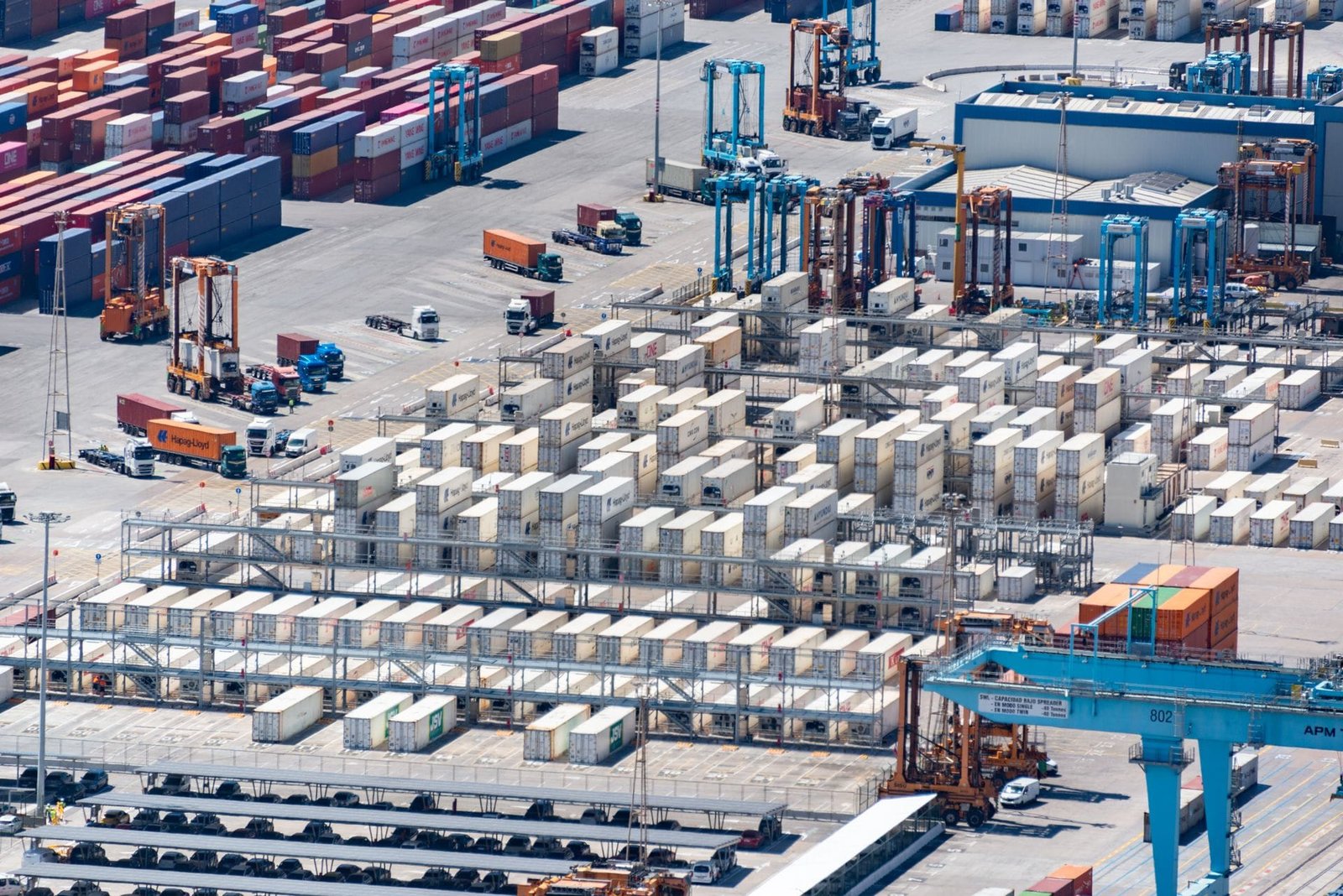
The Fujairah Free Zone Authority (FFZA) sits on the UAE’s east coast, wedged between the Hajar Mountains and the Gulf of Oman. That geography is the whole pitch: unlike every other UAE emirate, Fujairah faces the Indian Ocean directly, not the Arabian Gulf. The Port of Fujairah is the second-largest bunkering hub in the world, and Fujairah International Airport is the only international airport on the UAE’s east coast, serving eastern UAE and northern Oman.
For a company that imports raw materials from South Asia, ships finished goods to India or Pakistan, or operates tankers and supply vessels, the routing advantage over a Dubai-based entity is real and measurable. You bypass the Strait of Hormuz entirely for east-bound cargo. FFZA was established in 1987 — making it one of the oldest free zones in the UAE — and it has spent three decades building out warehousing, heavy industrial land plots, and marine berths that most Dubai zones simply don’t have room for.
Statistical benchmarks highlight the economic velocity of the region. The Port of Fujairah handles millions of tons of cargo annually, supported by state-of-the-art terminal facilities, deep-water berths, and sophisticated oil storage terminalling. By establishing an operational footprint directly within the free zone perimeter adjacent to the port, enterprises slash logistical friction, reducing inland transit times and port-clearing overheads by up to 35% compared to northern emirate or inland transshipment models.
FFZA License Types and Costs (2026)
FFZA issues five core licence categories: Trading, Service/Professional, Industrial, Maritime, and General. The entry-level zero-visa package (flexi-desk workspace, one business activity) runs from AED 21,500, which typically includes a refundable security deposit of AED 5,000. Renewal for a zero-visa company is AED 16,200 per year. A one-time utilities connection charge of AED 1,200–3,850 applies on initial setup.
If you want a trading licence specifically — general trading, import/export, or commodity-specific trading — expect the annual licence component to sit between AED 12,000 and AED 20,000, depending on activity scope and package tier. Service and professional licences tend to be cheaper, from around AED 9,000–15,000 annually.
One cost most guides skip: the January renewal calendar. All FFZA licence renewals fall in January, regardless of when you incorporated. If you set up in October, you pay pro-rated fees for the remaining quarter, then renew in full in January. Plan for an earlier-than-expected renewal invoice in your first year. The renewal itself can be done without the owner’s physical presence.
Comparative License Fee Structure
| Licence Category | Primary Scope | Approx. Annual Fee (AED) | Workspace Requirement |
|---|---|---|---|
| Service / Professional | Consultancy, IT, marketing, administrative services | 9,000 – 15,000 | Flexi-desk or Private Office |
| Trading / Import-Export | General goods, wholesale distribution, e-commerce | 12,000 – 20,000 | Flexi-desk, Office, or Warehouse |
| Industrial / Manufacturing | Light processing, assembly, heavy manufacturing | 25,000 – 45,000+ | Warehouse or Industrial Land Plot |
| Maritime | Ship management, crewing, chartering, marine logistics | 18,000 – 30,000 | Private Office or Marine Facility |
| General Trading | Wide-ranging multi-category commodity trade | 22,000 – 35,000 | Dedicated Office or Warehouse |
Your Honest Year-One Budget
Here’s how the numbers stack up for a typical service or trading company taking one visa:
- Zero-visa setup package: AED 21,500 (incl. AED 5,000 refundable deposit)
- One-time utilities: AED 1,200–3,850
- One investor/employee visa: ~AED 5,604 (FFZA fee AED 3,399 + E-Channel AED 2,205)
- Medical + Emirates ID: ~AED 1,200–1,500
- Health insurance (mandatory): AED 800–2,000+
Total first-year outlay: approximately AED 30,000–35,000 for one visa including the refundable deposit. Strip out the deposit and your real spend is roughly AED 25,000–30,000. Year-two renewal (zero-visa base): AED 16,200, plus visa renewal and insurance — around AED 22,000–26,000 all-in.
For a cost comparison across zones, see our guide to UAE free zone company formation costs in 2026.
Visa Quota: How Many Can You Sponsor?
Visa quota in FFZA scales with your workspace size and entity type. A flexi-desk entity covers a zero-visa company (owner via investor visa). Step up to a private office and you can sponsor employees at roughly one visa per certain square footage of leased space. Each visa costs AED 3,399 to the authority plus AED 2,205 for E-Channel — combined AED 5,604 per person, before medical and Emirates ID. Residence visas are issued for two years. For a wider breakdown, see our UAE free zone visa cost guide.
- Flexi-Desk Tier: Restricted to 1 investor/partner residence visa. Ideal for digital nomads, solo consultants, and holding structures.
- Private Office Tier: Ranging from 15 sqm to 50 sqm+, quota scales at approximately 1 visa per 9 to 10 square meters of leased commercial space.
- Warehouse & Industrial Tier: High-density visa allocations tied to operational scale, worker housing provisions, and industrial land footprints.
Office and Workspace: No Pure Virtual Here
FFZA requires a physical workspace before a licence is issued. Your options:
- Flexi-desk: Shared coworking, minimum cost, satisfies the physical-presence requirement.
- Furnished private office: Required for employee visa quota beyond your personal investor visa.
- Warehouse: For storage, light processing, or industrial operations.
- Land plot: Long-term lease for heavy manufacturing or large-scale construction.
If your business needs no staff in Fujairah, the flexi-desk minimum works. But if you’re building a logistics operation or bringing in employees, plan for a private office or warehouse from the start.
Banking: Expect a Deliberate Process
Banks commonly active with FFZA entities include RAK Bank, ADCB, Emirates NBD, and Mashreq. Digital banks such as Wio and Mashreq Neo are faster alternatives, particularly for trading companies with clean transaction profiles. Approval rates run 60–75% on the first attempt. Activities in oil, tobacco, or alcohol trigger enhanced due diligence: 4–8 weeks review and potential minimum balance of AED 50,000–100,000 at traditional banks.
The practical workaround: open with a digital bank first, then approach a larger institution once you have 6–12 months of transaction history. Our corporate bank account guide covers the full UAE compliance checklist.
Activities FFZA Offers That Most Zones Won’t
The key differentiators:
- Maritime licence: Ship ownership, management, crewing, chartering
- Alcohol trading: Import, export, and distribution of alcoholic beverages
- Tobacco trading: Import, export, and wholesale of tobacco products
- Oil and petroleum product trading: Including storage at the Port of Fujairah
- Heavy manufacturing and industrial production: Metal fabrication, chemical processing, heavy machinery
More mainstream activities — general trading, professional services, IT, e-commerce, logistics — are also available. But if you need any of the above specialist categories, FFZA is one of very few zones that will licence them.
Who FFZA Is Really For
FFZA works well for:
- Commodity and bulk goods traders shipping to or from South Asia, East Africa, or the Far East via the Indian Ocean route
- Maritime companies — ship managers, charterers, marine equipment suppliers
- Oil and gas traders, storage operators, or downstream petroleum product dealers
- Light and heavy manufacturers needing real warehouse or industrial space at competitive rates
- Alcohol or tobacco importers and distributors
- Companies with genuine Fujairah operations in mining, construction, or hospitality
If cost is your primary driver and you don’t need FFZA’s specific activities or port access, our cheapest UAE free zone guide maps low-cost options across the emirates. RAKEZ in particular offers virtual-office packages starting below AED 15,000 for service companies that don’t need physical space.
The Setup Process
- Day 1: Submit application — activity selection, shareholder details, workspace choice. FFZA issues initial approval within 1–2 days.
- Days 2–5: Sign workspace lease. Pay fees. Receive Licence and Registration Certificate.
- Days 5–10: Apply for establishment card. Begin visa processing — entry permit in 3–4 days. Medical, biometrics, Emirates ID follow.
- Weeks 2–6: Bank account application. Digital banks: 5–10 business days. Traditional banks with complex activities: 4–8 weeks.
A lean setup can be fully licensed and banked in under four weeks. Allow six to eight weeks if your activity triggers enhanced bank due diligence.
Renewal, Audit, and Ongoing Compliance
No audit is required in year one. After year two, FFZA may request audited financials — if you’ve had minimal activity, you can negotiate a waiver by email. Company amendments (director changes, share transfers) generally require personal shareholder attendance. All renewals fall in January: budget for a pro-rated invoice in your first Q1 if you incorporated in Q4.
Key Takeaway
FFZA’s all-in first-year cost of AED 28,000–35,000 (one visa) is competitive for a zone that offers maritime licences, alcohol and oil trading, and Indian Ocean port access unavailable in Dubai. If that activity or logistics profile fits your business, the numbers work. If they don’t, look at RAKEZ, IFZA, or SPC for cheaper all-in setups with virtual-office flexibility.
Also in Fujairah: If you’re in the creative, media, or consulting space, consider Fujairah Creative City (FCC) — a separate free zone also based in Fujairah, focused on digital and creative businesses.
Frequently Asked Questions
What does FFZA setup cost in 2026?
A zero-visa package starts at AED 21,500, including a refundable AED 5,000 deposit and flexi-desk workspace. Add one investor visa (~AED 5,604) and utilities (AED 1,200–3,850) and your first-year all-in cost runs AED 28,000–35,000.
Can I use a virtual office at Fujairah Free Zone?
No. FFZA requires at least a flexi-desk physical workspace before issuing a licence. This differs from zones like Meydan or SPC where pure virtual setups are available.
What business activities can I run from FFZA that I can’t in Dubai?
Maritime licences, alcohol and tobacco trading, and oil and petroleum product trading are the main differentiators. Heavy manufacturing and industrial operations are also more accessible here than in Dubai free zones.
How long does FFZA company formation take?
Licence issuance typically takes 1–2 days. Full setup including visa and bank account runs 3–6 weeks, depending on banking timeline and activity type.
What banks work with FFZA companies?
RAK Bank, ADCB, Emirates NBD, and Mashreq are the main traditional options. Wio and Mashreq Neo are faster digital alternatives. High-risk activities may require 4–8 weeks review and minimum balance of AED 50,000–100,000.
How many visas can an FFZA company sponsor?
A flexi-desk entity qualifies for an investor visa. More visas require a larger workspace. There’s no hard ceiling on total headcount if you scale physical presence accordingly.
When is the FFZA renewal deadline?
All FFZA licences renew in January regardless of incorporation date. If you set up in October, expect a pro-rated first-quarter invoice immediately, then a full renewal in Q1.